
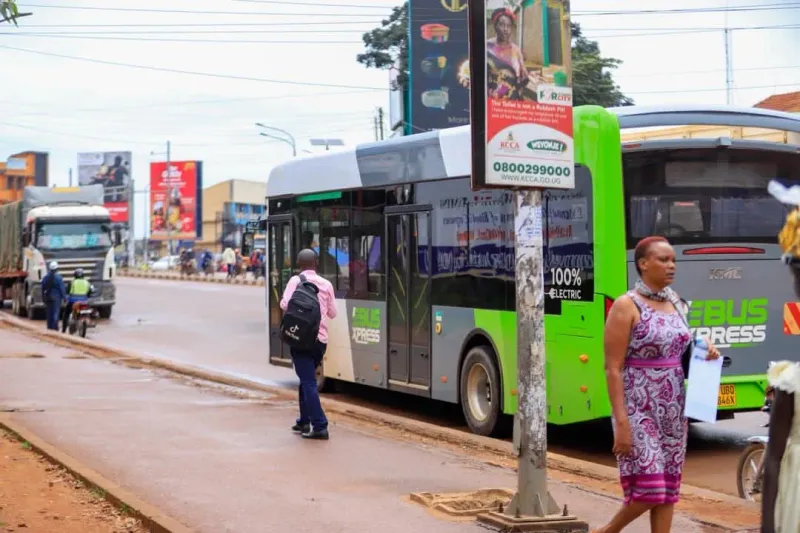
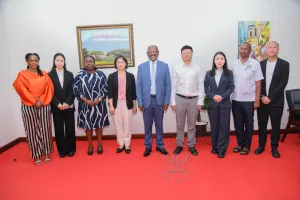


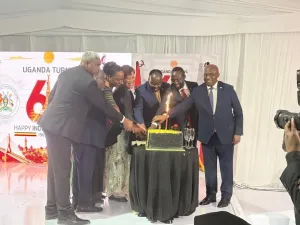
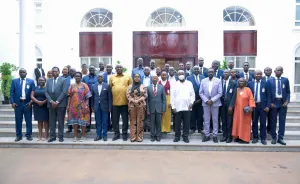
Government of Uganda has officially introduced a new electric public transport system under the E-Bus Xpress service, marking a major step toward modern, cleaner, and more structured urban mobility in the capital Kampala. The initiative is part of ongoing efforts to reduce traffic congestion, improve commuter experience, and transition toward sustainable electric transport in the Greater Kampala Metropolitan Area.
The service introduces affordable fixed fares, cashless payments, and modern electric buses equipped with air conditioning and free Wi-Fi, offering commuters a more predictable and comfortable alternative to traditional transport systems.
What is E-Bus Xpress?
The E-Bus Xpress is a government-supported electric bus service operating on key routes within Kampala. It aims to provide structured, reliable, and environmentally friendly transport using locally assembled electric buses developed by Kiira Motors Corporation, which is known for producing the Kayoola EVS electric bus series.
The service currently connects major urban corridors including City Square, Nakawa, Wandegeya, Ntinda, and Bukoto.
Kampala E-Bus Xpress Fares (Fixed Pricing System)
One of the most significant features of the new system is its non-variable fare structure, meaning passengers pay a fixed price regardless of demand or time of day.
• City Square → Nakawa: UGX 800
•City Square → Wandegeya: UGX 800
• City Square → Ntinda: UGX 1,500
• City Square → Bukoto: UGX 1,500
• Nakawa → Ntinda: UGX 800
• Bukoto → Ntinda: UGX 800
Officials emphasize that fares are constant and do not fluctuate, making the system more predictable for daily commuters.
Cashless Payment System Only
E-Bus Xpress operates a fully cashless system to improve efficiency and reduce boarding delays.
Passengers can pay using; MTN Mobile Money: *165*22# or Merchant Code 594434, or Airtel Money: Code 4405648
This system aligns with Uganda’s broader push toward digital financial inclusion and reduced cash handling in public transport.
Features of the Electric Bus Service
The E-Bus Xpress introduces a modern commuter experience designed to compete with informal transport systems in Kampala.
Key features include; Fully electric, low-emission buses, Air conditioning (AC) for passenger comfort, free onboard Wi-Fi connectivity, Structured and scheduled routes, and Clean, quiet, and modern interiors.
The buses are based on Uganda’s locally manufactured Kayoola EVS platform, developed by Kiira Motors Corporation.
Why E-Bus Xpress Matters for Kampala Transport
Kampala has long struggled with severe traffic congestion, unregulated minibuses (matatus), and inconsistent fares. The introduction of E-Bus Xpress is designed to address several long-standing urban transport challenges:
Reducing Traffic Congestion
By introducing structured routes and scheduled electric buses, the system aims to reduce reliance on informal transport networks that contribute to road congestion.
Lowering Carbon Emissions
Electric buses produce zero tailpipe emissions, helping improve air quality in Kampala’s densely populated areas.
Improving Commuter Predictability
Fixed fares and scheduled routes provide commuters with more predictable travel times and costs.
Enhancing Urban Mobility Efficiency
Cashless payments and controlled boarding systems reduce delays and improve operational flow.
Part of a Larger National Transport Transformation
The E-Bus Xpress rollout is part of Uganda’s broader strategy to modernize public transport infrastructure and promote electric mobility across urban centers.
Government plans reportedly include scaling electric bus deployment beyond Kampala into other cities as part of a long-term national urban mobility transformation agenda.
The initiative also aligns with Uganda’s ambition to position itself as a regional hub for electric vehicle manufacturing and green transport innovation in East Africa.
Uganda’s Push Toward Electric Mobility
The introduction of electric buses reflects a wider shift toward sustainable transport solutions in Africa. Uganda joins a growing list of countries investing in electric mobility to reduce fuel dependency and modernize urban transport systems.
By integrating locally manufactured electric buses, the country also strengthens its domestic automotive industry and supports industrialization through home-grown innovation.





Sunrise reporter
Leave a Comment
Your email address will not be published.