




Uganda and the United Arab Emirates (UAE) have stepped up diplomatic efforts to resolve travel restrictions affecting Ugandans travelling to the Gulf country, with officials from both sides describing the outstanding issues as technical.
Uganda's Minister for Foreign Affairs, Ambassador Adonia Ayebare, held a telephone conversation on Monday with Sheikh Shakhboot bin Nahyan Al Nahyan, the UAE Minister of State for African Affairs.
During the conversation, the two officials agreed that the restrictions currently affecting Ugandan travellers are technical in nature and committed to working together to address the remaining issues.
The development provides fresh diplomatic momentum in efforts to restore normal travel arrangements between Uganda and the UAE.
According to the information released following the conversation, health officials from Uganda and the UAE are already maintaining regular contact as part of efforts to resolve the matter.
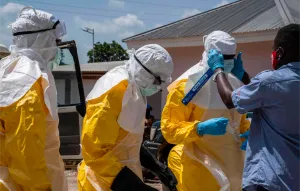
The health discussions are significant because the UAE introduced additional entry measures in June covering travellers from Uganda, the Democratic Republic of Congo (DRC) and South Sudan amid concerns over the Ebola outbreak in the region.
The measures, which took effect on June 6, included the suspension of new visas for nationals of the three countries and restrictions on entry for travellers arriving from them. Travellers who had spent more than 21 consecutive days outside the affected countries before arriving in the UAE were exempt from the specific restrictions, subject to other entry requirements.
The UAE had also advised its nationals and residents to avoid travel to Uganda, the DRC and South Sudan unless absolutely necessary because of the evolving Ebola situation.
Uganda's health situation has since changed significantly.
On July 28, Uganda officially declared the end of its 2026 Ebola outbreak after completing the required 42-day monitoring period without new cases. The outbreak recorded 20 confirmed cases, with two deaths, while health authorities reported no evidence of continuing transmission.
The development strengthened Uganda's case for a review of Ebola-related international travel measures.
Uganda had already begun calling on countries to reconsider restrictions after its last Ebola patient was discharged, as authorities sought the restoration of normal international travel.
However, the UAE's restrictions have not yet been officially lifted.
During Monday's conversation, Sheikh Shakhboot reiterated that the UAE considers Uganda an important ally and is interested in finding a quick solution to the outstanding issues.
That message could help ease concerns among Ugandan travellers, families and businesses that depend on regular movement between the two countries.
Uganda and the UAE have significant people-to-people and commercial links, making travel and visa access an important part of their bilateral relationship.
For now, however, travellers should not assume that the restrictions have been removed. The latest development indicates that Kampala and Abu Dhabi are working toward a resolution, rather than announcing an immediate end to the measures.
The continued engagement between health officials is expected to play an important role in determining when the remaining restrictions can be reviewed or lifted.
Uganda's declaration that it is Ebola-free provides an important health-related development, but the UAE has yet to announce a formal change to its entry measures for Ugandan travellers.
The latest talks therefore represent a step toward resolving the restrictions, with both governments signalling a preference for cooperation and a swift solution.
For Ugandans planning to travel to the UAE, the safest approach remains to confirm the latest visa and entry requirements with the relevant UAE authorities or airline before making travel arrangements.






Sunrise reporter
Leave a Comment
Your email address will not be published.