


The historic Tooro Kingdom has been thrown into an unprecedented leadership crisis. Following the untimely passing of Omukama Oyo Nyimba Kabamba Iguru Rukidi IV in late August 2026, two powerful factions have claimed the right to name the next monarch.
In a dramatic turn of events, the Babiito royal clan’s succession committee voted to elect Prince Edward Rukidi Kijanangoma as the new King. However, this declaration has been fiercely denounced by the late King Oyo’s immediate family, exposing a deep rift at the heart of the Karuziika Palace.
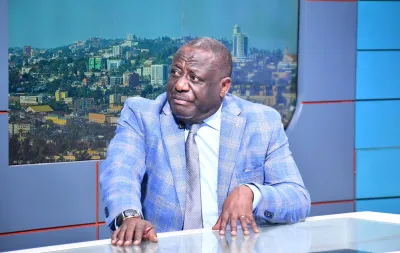
On September 9, 2026, a 21-member Babiito Clan Succession Committee made a public declaration from the royal grounds. Acting on their traditional mandate, the committee announced that Prince Edward Kijanangoma, a grandson of the late King George David Rukidi III and a media editor at the Uganda Broadcasting Corporation (UBC), would be enthroned as the 14th Omukama.
The announcement was read by Msgr. Isiah Mayombo, who asserted that the selection was made in strict compliance with Tooro’s long-standing ancestral customs and vetting guidelines.
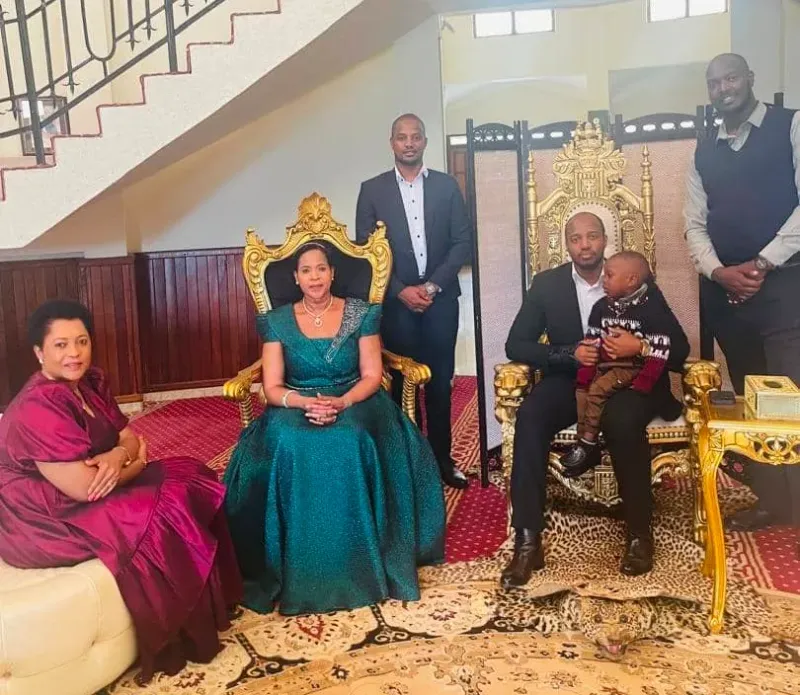
The decision was met with immediate, fierce resistance from the late King Oyo’s immediate family. Prominent members of the royal inner circle including the late King Oyo's sister, Princess Komuntale, traditionally backed by the influence of Princess Elizabeth Bagaya, publicly denounced and rejected Kijanangoma's election.
The palace faction insists that the succession must instead honor the late King's hidden lineage or direct bloodlines rather than a committee vote.
The roots of the deadlock lie in a competing narrative introduced by the kingdom's official administration. Shortly after King Oyo’s passing in the United States, Tooro Prime Minister Calvin Armstrong Rwomiire announced that the late monarch left behind a biological son who was the rightful heir to the crown.
A leaked document, reported to be King Oyo’s Last Will and Testament dated September 14, 2022, explicitly dictates: "If, at the date of my death, I am survived by a Son lawfully recognized as my biological Son, I appoint him as my heir to the Throne."
The Babiito clan elders, led by the Omusuuga Charles Akiiki Kamurasi, openly challenged this claim. Omusuuga Kamurasi stated that neither he nor the broader clan elders had ever seen or been informed of this child prior to King Oyo’s death.
Under Tooro customary law, an heir must be physically presented to the clan elders by his maternal grandfather to perform specific, compulsory traditional rituals before any formal succession can take place. Because the child remained completely out of the public eye, the succession committee moved forward to elect an alternative eligible royal.
The dispute has therefore produced two competing succession positions. The palace administration recognizes King Oyo's unnamed or unseen son as the proposed monarch, relying primarily on the late King's 2022 written will and the position of the Prime Minister. On the other side, the Babiito Clan Committee has selected Prince Edward Rukidi Kijanangoma, relying on the authority of the 21-member royal vetting committee and Omusuuga. The palace faction is currently denouncing the committee's decision, while the committee awaits the cultural coronation protocols for Kijanangoma.
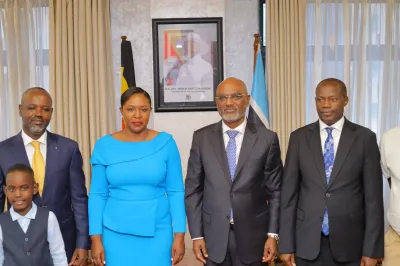
With the public sharply divided, Minister of Gender, Labour and Social Development, Gen (Rtd) Henry K. Tumukunde, said on Wednesday that the escalating disputes in Tooro Kingdom are being handled, and the outcome will be communicated after receiving appropriate guidance from Uganda's President, Yoweri Kaguta Museveni, and the Batooro cultural institution, in consultation with Section 15 of the Institution of Traditional or Cultural Leaders Act.
The dispute is expected to lean heavily on statutory intervention. Uganda’s Institution of Traditional or Cultural Leaders Act (2011) provides a clear legal baseline for these exact scenarios.
Section 15 of the Act explicitly dictates that when a community faces a conflict regarding who should serve as a traditional leader, or whether proper procedures were followed, the issue must first be handled by traditional clan elders. However, if internal mediation fails to establish a peaceful consensus, the ultimate determination of legitimacy must be referred to the High Court of Uganda for a binding legal judgment.
King Oyo Nyimba, who entered the Guinness World Records in 1995 as the world's youngest reigning monarch at age three, leaves behind a kingdom deeply split over its path forward.
The body of the late Omukama was returned to Uganda, with official burial arrangements scheduled at the sacred Karambi Royal Tombs. Whether the kingdom will unite behind Prince Kijanangoma or pivot to a legal battle over Oyo's named heir remains the definitive question for Tooro’s future.





Sunrise reporter
Leave a Comment
Your email address will not be published.