
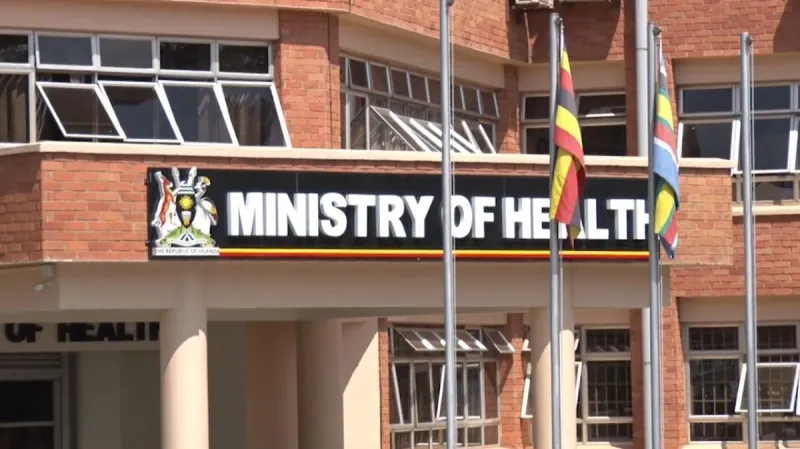


The Ministry of Health has outlined major investments aimed at improving healthcare delivery across local governments during the 2026/27 financial year, with a focus on staffing, health infrastructure, emergency services and access to essential medicines.
The Ministry of Health has announced a range of interventions to strengthen healthcare services in local governments as the country enters the 2026/27 financial year.
The planned investments include increased funding for health facilities, recruitment and deployment of health workers, expansion of health infrastructure and improvements in emergency medical services.
According to the Ministry, the health sector budget allocation for Financial Year 2026/27 has increased by UGX22 billion. Local governments have been urged to use the additional funding effectively, particularly by ensuring the timely recruitment and deployment of health workers involved in direct patient care.
The Ministry has directed local governments to address critical staffing shortages and improve the deployment and attendance of health workers at health facilities.
It also emphasised the importance of strengthening performance management systems to improve accountability and the quality of healthcare services.
In addition, health managers are expected to benefit from capacity-building initiatives focused on leadership and management. The Ministry said these efforts are intended to improve the efficiency of health facilities and strengthen the management of healthcare delivery.
Health infrastructure development remains a major priority under the FY2026/27 plans.
The Ministry said resources will be directed towards underserved areas, including sub-counties without health centres and densely populated sub-counties where access to healthcare remains inadequate.
Local governments have been advised to consider factors such as population size, the distance communities must travel to reach health facilities and other service-access indicators when identifying priority areas.
Construction and upgrading of health facilities will continue, alongside the rollout of health services at parish level to bring healthcare closer to communities.
The Ministry reported additional funding for different levels of health facilities as follows: UGX6 billion added for Health Centre IIIs, UGX13.7 billion added for Health Centre IVs, and UGX10.9 billion added for General Hospitals.
The allocations are expected to support efforts to address infrastructure and service-delivery gaps, with funding for equipment and other needs guided by identified priorities and agreed criteria.
Emergency medical care is another area targeted for increased investment.
The Ministry said UGX20 billion has been allocated in FY2026/27 to expand ambulance coverage and strengthen emergency medical services.
The planned support is aimed at improving access to emergency care and addressing gaps in the availability of ambulance services.
The Ministry has also called on local governments and health facilities to improve the management of essential medicines.
It urged health authorities to strengthen forecasting, quantification, procurement planning, stock management and the redistribution of medicines between facilities.
These measures are intended to reduce medicine shortages, minimise wastage and prevent the expiry of essential medical supplies.
Health facilities were further encouraged to adopt and use digital health systems and registers to improve workflow, record-keeping and reporting.
The Ministry also highlighted the Ghana Health Services Transformation Project, which is supporting interventions targeting Health Centre IVs, upgraded Health Centre IVs and community hospitals.
The project was mentioned as part of wider efforts to address gaps in health infrastructure and improve the delivery of healthcare services.
Overall, the Ministry said the planned interventions are designed to improve access to healthcare, promote equity, strengthen efficiency and ensure better value for money in the health sector.
The focus will particularly be on underserved communities, where shortages of health workers, inadequate infrastructure and limited access to emergency and essential medical services continue to present challenges.



Sunrise reporter
Leave a Comment
Your email address will not be published.