


Efforts to restore the White Rhinoceros in Ajai Game Reserve, Madi Okollo District, have been significantly intensified as conservation teams prepare for the species’ reintroduction. The reserve, which is home to over 250 Uganda kobs introduced last year, has been undergoing habitat restoration to make it suitable for the arrival of rhinos. These Uganda kobs have played a key role in clearing thick vegetation, ensuring the environment is ready for the reintroduction of one of Africa’s most iconic wildlife species.
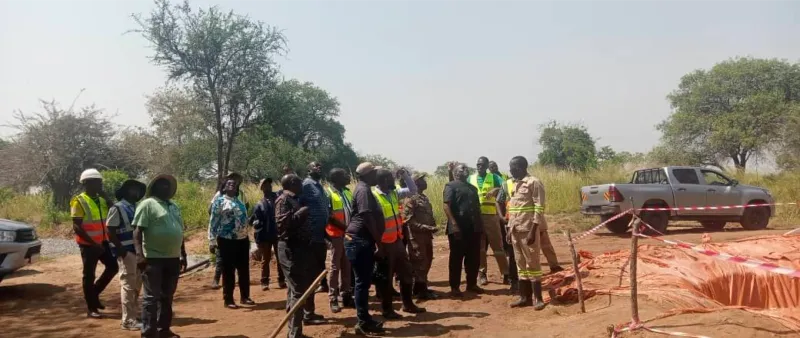
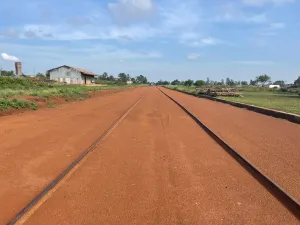
The Madi Okollo District officials, local communities, wildlife stakeholders, and the Rhino restoration project team have undertaken extensive preparatory activities. These include sensitization meetings, community dialogues, and environmental modifications to ensure the successful relocation of rhinos to the reserve. Key interventions have involved constructing a piped water system for wildlife and nearby communities, installing an electric fence along the reserve boundary, building security outposts, rehabilitating roads and pathways, and setting up solar-powered housing facilities for reserve staff.
Night Zahara, a project official, confirmed that the third phase of environmental preparation has been completed across a two-square-kilometre area designated for the first batch of rhinos. She stated, “This will be a Christmas gift for the people of Madi and West Nile and by Saturday today, we expect to fix a day next week for the rhinos to be brought here in Ajai.”
Zahara added that the team will conduct a two-day monitoring and inspection exercise with officials from the Uganda Wildlife Authority before finalizing the rhino translocation date. Madi Okollo District LC V Chairperson, Ismail Drabe, said that local communities are fully prepared to welcome and safeguard the rhinos, and residents are excited about the potential arrival of the animals before Christmas.
Restoring White Rhinos to their historical habitat, where they thrived in the early 1960s and late 1980s, is expected to boost tourism and generate additional revenue for Madi Okollo District, West Nile, and Northern Uganda. While the exact number of rhinos for the initial phase has not been disclosed, reports suggest that up to twelve animals, six males and six females, may be introduced.
This initiative comes shortly after the Government of Uganda received a batch of rhinoceroses from South Africa as part of ongoing efforts to increase the country’s rhino population and enhance wildlife conservation programs. The reintroduction of White Rhinos is poised to strengthen Uganda’s conservation efforts while supporting local economies through eco-tourism.



Paul Rubongyera
Leave a Comment
Your email address will not be published.