
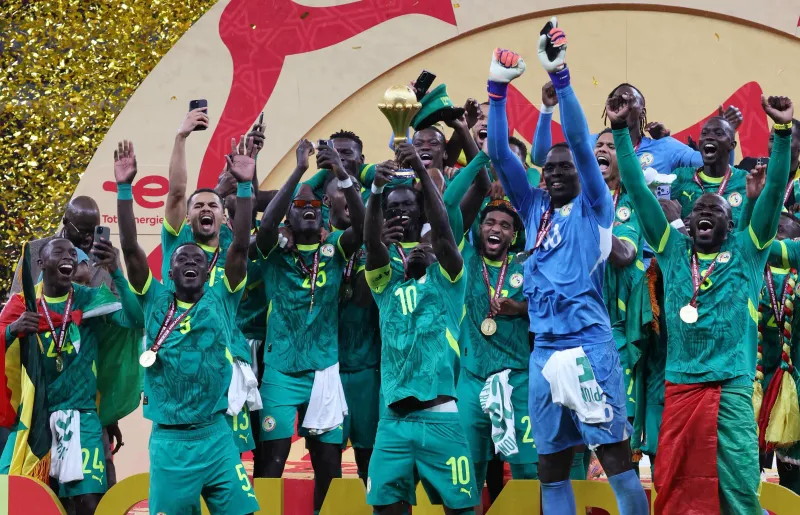




In a decision that has sent shockwaves through African football, the CAF Appeal Board has officially stripped Senegal of their Africa Cup of Nations 2025 title and awarded Morocco a 3–0 victory in the final. The ruling comes months after the intense match ended with Senegal defeating Morocco 1–0 on the pitch, but controversy erupted when Senegal’s players briefly walked off the field in protest of a late penalty awarded to Morocco. This unprecedented action was deemed a breach of Article 84 of the CAF regulations, prompting the appeal board to enforce a forfeit. As a result, Morocco has now been officially crowned the 2025 AFCON champions.
The Senegalese Football Federation expressed outrage at the ruling, describing it as “unfair, unprecedented and unacceptable.” Senegal officials have already announced their intention to appeal the CAF decision to the Court of Arbitration for Sport (CAS), signaling a potentially protracted legal battle over one of the most contentious finals in African football history. Fans across the continent have taken to social media to voice their frustration and disbelief, with many questioning the timing of CAF’s ruling and the broader consistency of the governing body’s disciplinary procedures.
The 2025 AFCON final, held in Morocco, was initially celebrated as a thrilling display of skill and determination by both teams. Senegal’s performance on the day appeared to secure them the title, with a 1–0 victory after extra time. However, the match took a dramatic turn when a late penalty was awarded to Morocco, prompting Senegal’s players to leave the pitch temporarily in protest. While play eventually resumed, and the match concluded, CAF later determined that Senegal’s walkout violated official regulations.
The CAF Appeal Board’s decision to record the final as a 3–0 forfeit in favor of Morocco has far-reaching implications. The ruling not only affects the official record of the match but also redefines the way protests and walkouts are treated in African football. Analysts and football pundits have noted that this case could set a precedent for future disciplinary actions, emphasizing the importance of adhering strictly to CAF rules and regulations during official matches.
Morocco, on the other hand, has been formally recognized as the AFCON 2025 champions under extraordinary circumstances. The Fédération Royale Marocaine de Football (FRMF) celebrated the historic victory, acknowledging the unusual nature of winning the title via a forfeit. CAF emphasized that the ruling aligns with its regulations and reflects the consequences of leaving the field during a competitive match. While Morocco’s on-field performance was strong throughout the tournament, the official designation of the championship highlights the impact of procedural compliance in African football.
Senegal’s football authorities have expressed particular concern about the ruling’s timing. The decision came more than two months after the final, long after Senegal had celebrated their on-field victory. The delay has fueled criticism that CAF’s disciplinary process lacks transparency and consistency. The federation argues that the ruling undermines African football and sets a troubling precedent, suggesting that match outcomes can be overturned retroactively under controversial circumstances.
The decision has also sparked widespread debate among fans and football analysts. Social media platforms have seen extensive discussion, with supporters of both teams weighing in. Many Senegalese fans feel the ruling is overly harsh and undermines the team’s efforts, while Moroccan supporters argue that regulations must be respected and that the ruling is fair under CAF rules. Commentators have emphasized that this situation underscores the tension between on-field competition and off-field governance in high-stakes tournaments.
CAF’s reference to Article 84 in its ruling highlights the specific regulation that governs walkouts and protests during official matches. According to the appeal board, any team that leaves the field without authorization or violates the rules during a match risks forfeiture, and this principle has been applied strictly in the case of Senegal. The 3–0 forfeit is consistent with CAF’s standard disciplinary framework and serves as a warning to all member associations about adherence to official match protocols.
Looking ahead, Senegal’s appeal to the Court of Arbitration for Sport could reshape the narrative entirely. If CAS overturns or modifies CAF’s ruling, it could reinstate Senegal as the 2025 champions or propose alternative sanctions. This potential legal battle adds another layer of complexity to an already controversial final, highlighting the growing significance of governance and legal oversight in African football tournaments.
The 2025 AFCON final will be remembered for both its athletic drama and its off-field controversies. The match showcased high-level football, with Senegal demonstrating resilience and Morocco displaying tactical excellence. Yet, the aftermath of the game has captured global attention due to the unprecedented CAF ruling. By officially awarding Morocco a 3–0 victory, CAF has reinforced the authority of its regulations while igniting debate across the continent about fairness, transparency, and the role of disciplinary procedures in African football.
For football fans, players, and analysts, the CAF ruling serves as a critical reminder that success on the pitch must be complemented by adherence to governing regulations. The 2025 AFCON saga highlights the delicate balance between competitive spirit and formal compliance, and it underscores the impact that administrative decisions can have on the legacy of players and national teams alike. As the appeal process unfolds, all eyes will remain on CAF, CAS, and the two national teams to see how this landmark case shapes the future of African football.
The controversy also opens a broader conversation about how CAF handles high-profile disputes and disciplinary matters. Observers suggest that clearer communication, consistent enforcement, and timely resolution are essential for maintaining trust in the governing body and preserving the integrity of Africa’s premier football competition. Whether Senegal will ultimately reclaim the title or Morocco’s championship stands, the 2025 AFCON final will remain a defining moment in African football history.
With CAF’s ruling now official, Morocco is celebrated as the 2025 AFCON champion, while Senegal faces the challenge of defending its reputation and navigating the appeal process. Fans and football officials alike are watching closely, anticipating how this unprecedented decision will influence both the rules of the game and the governance of football in Africa for years to come.





Sunrise reporter
Leave a Comment
Your email address will not be published.