
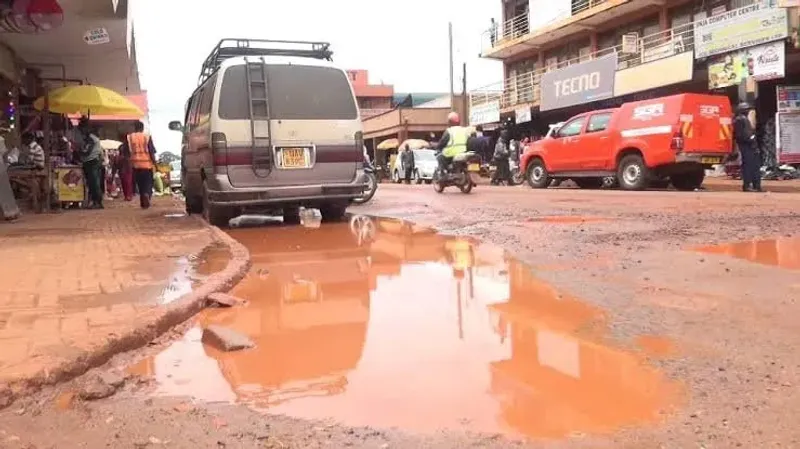

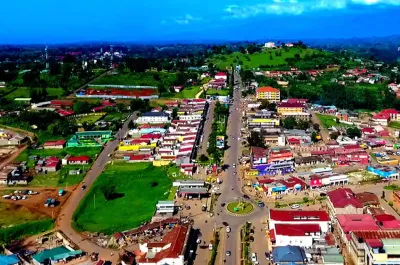
Jinja City has started a Shs82.88 billion road rehabilitation and upgrading project covering 13.82 kilometres, marking a major investment in a road network that has gone years without substantial rehabilitation.
The project will see 11 roads worked on under the current phase, with construction beginning with Ripon and Owen roads.
Other roads included in the initial programme are Narambai, Oboja, Nile Crescent, Kirinya, Kyabazinga, Elgon Close, Kisinja Close, Nile Avenue and Gokhale roads.
The project is being implemented under a pre-financing arrangement with Abubaker Technical Services and General Suppliers Ltd. The contractor will initially finance the works before being reimbursed by the government.
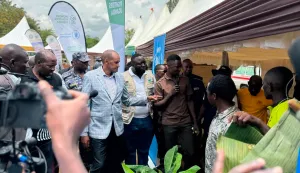
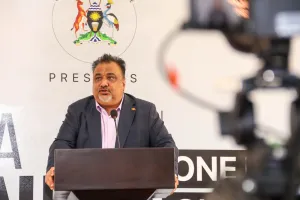
Speaking at the project launch on Friday, Jinja City Mayor Abdulhafidh Nagaya said the investment responds to longstanding complaints about the deteriorating condition of roads in the city.
“We have suffered a lot, but the government finally got our outcry and we were allocated around Shs83 billion to work on our roads,” Nagaya said.
Although the contract is expected to run for six years, Herbert Ssemanda, the project coordinator at Abubaker Technical Services and General Suppliers Ltd, said the contractor intends to complete the works in about three years.
Works will initially focus on Ripon and Owen roads because of their drainage and surface runoff impact on surrounding communities.
The contractor has already established a camp at the Jinja City Council yard and deployed key personnel, including engineers, a surveyor, materials engineer, health and safety officer and environmental officer.
Jinja Assistant City Clerk John Choli Goloba said the city has about 800 kilometres of roads, including approximately 205 kilometres within the central business district.
According to Goloba, upgrading one kilometre of road can cost between Shs4 billion and Shs6 billion, depending on the scope and nature of the works.
He appealed to residents to cooperate with the contractor, keep away from closed roads and help protect construction materials from theft or damage.
Jinja Resident City Commissioner Salim Komakech said the road project forms part of the government's phased approach to improving infrastructure in the city.
Komakech urged residents to be patient as the government rolls out infrastructure improvements in stages. He also pledged government support for contractors carrying out genuine work while stressing the need for projects to meet required standards and deliver value for money.
He called on the contractor to complete the works within the agreed timeframe and said the government would fulfil its obligations under the arrangement.
Jinja Southern Division Deputy Mayor Dan Kasadha welcomed the project but cautioned against poor-quality work.
City leaders said the Shs82.88 billion project is only part of a broader plan to improve Jinja's road infrastructure.
Jinja City Speaker Juma Ssozi said plans are in place to extend road rehabilitation to the Northern Division.
He also said the city is pursuing another programme worth about Shs101 billion, which includes the proposed 9.8-kilometre Dunlop-Masese Road. The road is estimated to cost about Shs62 billion.
Additional road projects are also expected under other government programmes and the World Bank-supported Uganda Support to Municipal Infrastructure Development (USMID) programme, including the Walukuba-Masese and Jinja-Mbulamuti roads.
Former Jinja Municipality Mayor Mohammed Baswale Kezaala said the city's distinctive wide roads were largely influenced by a master plan developed by German architect Ernst May in the late 1940s.
According to Kezaala, the plan incorporated wide roads, underground drainage and walkways, features that have contributed to the relatively high cost of rehabilitating some of Jinja's roads.
The current road project is therefore expected to address not only deteriorated road surfaces but also some of the drainage and infrastructure challenges associated with the city's ageing urban road network.


Sunrise reporter
Leave a Comment
Your email address will not be published.