





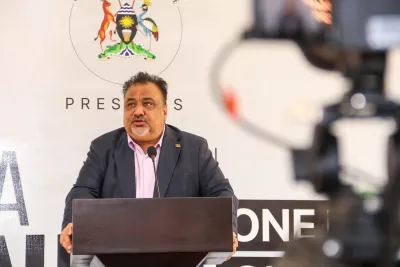
Ajai Wildlife Reserve has officially reopened as a rhino habitat, marking one of Uganda’s most significant wildlife conservation achievements in recent history. The reserve was formally unveiled by the Minister of Tourism, Wildlife and Antiquities, Hon. Col. (Rtd) Tom R. Butime, confirming the successful reintroduction of rhinos after decades of local extinction.
The event represents a major milestone in Uganda’s conservation journey and signals renewed national commitment to biodiversity protection, ecosystem restoration, and sustainable tourism development. For background on the preparation and reintroduction efforts, see Ajai Game Reserve Prepares for White Rhino Restoration in Madi Okollo District.
Rhinos Return to a Historic Stronghold
For much of the late 20th century, Uganda lost its white rhino population due to rampant poaching, regional instability, and habitat degradation. By the early 1980s, the species had completely vanished from the country’s protected areas.
Ajai Wildlife Reserve, once a historic rhino stronghold, has now been carefully rehabilitated to support their return. Through years of planning and habitat restoration, the reserve has been prepared with secure fencing, trained ranger units, and long-term ecological management systems to ensure the animals’ survival.
The successful reintroduction has been led by the Uganda Wildlife Authority (UWA) in collaboration with the Ministry of Tourism, conservation partners, and surrounding communities.
Conservation Beyond Symbolism
The return of rhinos to Ajai goes far beyond restoring an iconic species. Rhinos are keystone animals that play a critical role in shaping grasslands, supporting plant diversity, and strengthening overall ecosystem resilience.
Their presence signals ecological recovery and reinforces Uganda’s broader conservation strategy, one that balances wildlife protection with community participation and responsible tourism.
Ajai Wildlife Reserve is also emerging as a new conservation tourism destination in the West Nile region, an area historically known more for humanitarian response than wildlife recovery. Visitors now have the opportunity to witness a rare conservation success story unfolding in real time.
Community Involvement and Sustainable Tourism
Local communities have played a central role in safeguarding the reserve and remain key custodians of its future. The rhino reintroduction is expected to create socio-economic benefits through eco-tourism, job creation, and increased conservation awareness.
By linking wildlife restoration to local livelihoods, the Ajai project demonstrates a sustainable model of conservation that aligns people, policy, and protection.
A New Chapter for Uganda’s Wildlife Restoration
The unveiling of Ajai Wildlife Reserve represents a renewed chapter in Uganda’s long-term vision to protect its natural heritage for future generations. It underscores the belief that extinction does not always have to be permanent, and that with patience, political will, and strong partnerships, damaged ecosystems can recover.
With the return of rhinos, Uganda is not only restoring wildlife but redefining its relationship with nature, offering the world proof that conservation, when done right, can heal landscapes and inspire hope far beyond national borders.



Sunrise reporter
Leave a Comment
Your email address will not be published.