





Middle East
Middle East War Day 7: US–Israel Strikes Continue in Iran, Gulf Retaliation, Massive Travel Disruptions
The Middle East conflict entered its seventh day on March 6, 2026, with US and Israeli forces intensifying strikes on Iranian targets while the region continues to reel from retaliatory missile and drone attacks, widespread airspace closures, and global travel chaos.
According to multiple news reports, the conflict has expanded beyond frontline fighting in Iran and Israel to affect Gulf nations, international aviation networks, and civilian populations across the region.
Continued Military Operations in Iran and Beyond
US and Israeli military operations have struck deep into Iranian territory, targeting key military infrastructure, air defence systems, and weapons sites. Iranian forces have responded with waves of missile and drone launches aimed at Gulf states and regional military positions, prompting widespread air defence interceptions.
Reports from Gulf nations indicate that hundreds of missiles and drones have been launched by Iran, most of which were intercepted by advanced defence systems in countries such as the United Arab Emirates. Despite intercepts, interception debris and projectiles have caused minor injuries and damage in areas such as Abu Dhabi.
Regional Attacks and Civil Impact
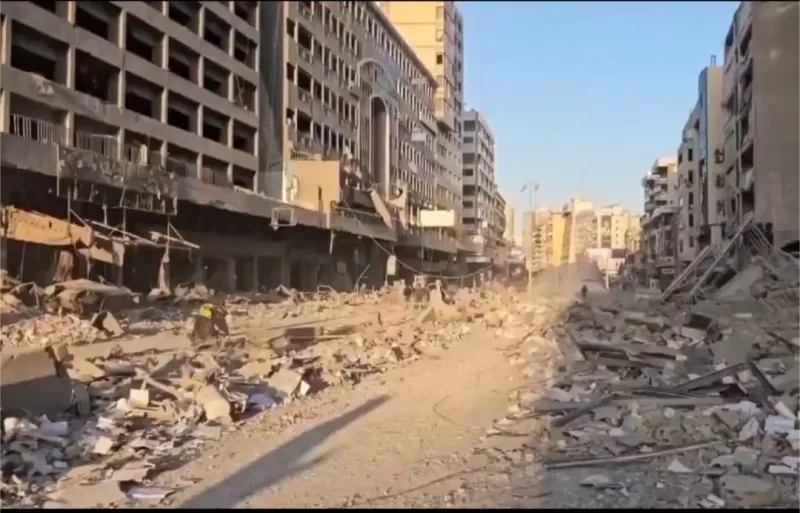
The conflict’s reach has extended beyond the Iran–Israel battlefield. In Lebanon, Israeli airstrikes struck southern suburbs of Beirut following evacuation orders, with clashes involving Hezbollah and resulting in hundreds of displaced civilians and loss of life.
In another sign of regional escalation, Azerbaijan accused Iran of a drone attack on airport infrastructure, injuring civilians and increasing fears of broader regional fallout.
Global Aviation Chaos and Flight Cancellations
One of the most immediate global impacts of the conflict has been widespread disruption to international air travel. Airspace over Iran, Israel, and parts of the Gulf has been closed or severely restricted, forcing airlines to cancel or reroute thousands of flights.
Industry tracking data shows that tens of thousands of flights were delayed or cancelled worldwide in the early days of the conflict, making this one of the most significant disruptions to global aviation since the COVID‑19 crisis.
Major carriers such as IndiGo have cancelled international flights through Middle Eastern routes, including more than 100 scheduled services on March 6 alone, with flexibility and refund policies extended to affected passengers.
Limited Resumption of Flights Brings Cautious Relief
While cancellations remain high, airport authorities in the United Arab Emirates have begun to resume limited flight operations at hubs such as Abu Dhabi’s Zayed International Airport. Airlines are operating select services as safety protocols evolve and airspace restrictions adjust.
Despite this limited resumption, experts warn that global aviation delays and congestion are likely to persist for weeks or months, as backlogs and rerouting challenges continue to strain airline networks.
Travel and Civilian Advisory Issued
Governments including the United States have issued travel advisories urging citizens to leave the Middle East amid ongoing hostilities and continued threat of escalation.
Civilian populations in affected areas are facing evacuation orders, reduced public services, and heightened security alerts as conflict zones expand and infrastructure damage increases.







The Sunrise Editor
Leave a Comment
Your email address will not be published.