




Kampala Capital City Authority (KCCA) has intensified flood preparedness measures across Kampala as Uganda braces for increased rainfall, following a warning from the Ministry of Water and Environment about a high likelihood of El Niño conditions during the September-December 2026 rainfall season.
The warning has renewed focus on Kampala’s drainage system, particularly in communities that have repeatedly experienced flooding during periods of heavy rainfall.
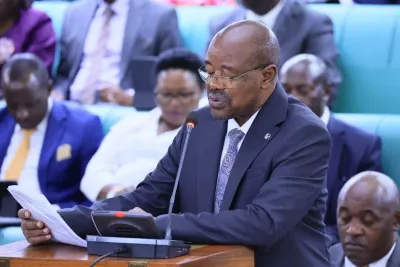
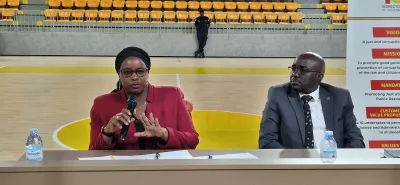
KCCA Deputy Executive Director Benon Kigenyi said the Authority is implementing preventive measures to ensure Kampala is better prepared before rainfall intensifies.
“We cannot stop the rain, but we can prepare Kampala to manage it better,” Kigenyi said while appearing on TV on Monday.
According to Kigenyi, KCCA has identified 69 critical flood blackspots across the city where drainage channels are being regularly monitored and maintained.
Kampala has about 212 kilometres of primary and secondary drainage infrastructure, comprising 77.88 kilometres of primary drains and 134.46 kilometres of secondary drains. The city also has about 700 kilometres of community and tertiary drainage.
Kigenyi said KCCA has carried out mechanised and manual maintenance on 52.23 kilometres of primary and secondary drainage channels.
The works have covered major drainage channels including Nakivubo, Lubigi, Nakamiro, Kinawataka and Nalukolongo.
During the last financial year, the Authority also constructed 4.47 kilometres of tertiary and community drains across Kampala’s five divisions.
Four bridge structures have been constructed at critical drainage crossings in Soweto, Eliana, Natete and Kayunga Channel at CID Kibuli.
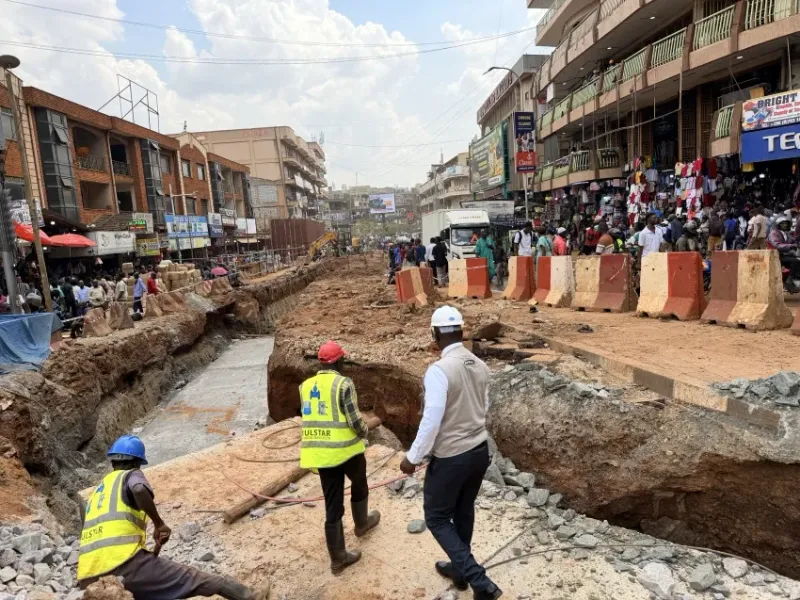
Kigenyi said construction has started on the Nsoba and Kiwunya drainage channels under the Kampala City Roads Rehabilitation Project (KCRRP).
At Lubigi, compensation of Project Affected Persons has been completed, paving the way for completion of the remaining 980 metres of the channel. Desilting works are also continuing.
According to Kigenyi, the interventions have helped reduce flooding in areas including Bwaise, Bunga-Soya and Kansanga.
Along Allen and Sebaana roads, KCCA has installed 900mm culverts at 15 critical crossings to address recurrent flash flooding.
In Kampala city centre, construction of a longitudinal culvert along Ben Kiwanuka Road is expected to improve the movement of storm water.
KCCA is also improving drainage along Namirembe Road, including a structure measuring about two metres wide and 1.5 metres deep. The structure is intended to improve the flow of water from the non-motorised transport corridor along Luwum Street towards Nakivubo Channel.
Kigenyi said drainage infrastructure alone cannot solve Kampala’s flooding problem.
He warned that garbage dumped on roads, open spaces and drainage channels can block water passages and worsen flooding. “Garbage dumped on roads, in open spaces or directly into drainage channels eventually blocks the system and contributes to flooding,” he said.
He urged residents to keep drainage channels clear and dispose of waste responsibly.
Kigenyi also addressed concerns about increased garbage following the launch of the National Cleaning Day on July 25.
He said the exercise generated significantly higher volumes of waste than the city normally handles in a single day, following participation by residents, businesses, institutions and community groups.
The waste was temporarily placed at designated aggregation points before being transported to the Buyala Waste Management Facility.
To manage the increased waste volumes, KCCA deployed 15 additional trucks from private waste management contractors, extended collection operations to day and night shifts, established temporary skips in high-volume areas and strengthened community reporting channels.
Kigenyi said the waste generated during the exercise has now been evacuated.
KCCA’s regular cleaning operations have also continued, with the Authority currently cleaning 401 roads daily and another 54 roads periodically.
The weekly Weyonje community clean-up campaign is also continuing across Kampala.
Kigenyi said KCCA plans to strengthen waste collection at parish level, with a target of approximately one truck per parish.
The Authority also plans to procure 10 additional trucks during the 2026/27 financial year.
In the long term, KCCA intends to move beyond disposal through the development of a Material Resource Recovery Facility at Buyala.
The facility will support sorting, recovery, recycling and reuse, with the aim of turning waste into a resource rather than relying solely on disposal.
Meanwhile, rehabilitation and decommissioning of the former Kiteezi landfill is progressing. Kigenyi said at least 40% of the site has been rehabilitated, with the completed section handed over to KCCA.
With the possibility of increased rainfall during the September-December 2026 season, KCCA’s flood preparedness measures are focused on drainage maintenance, ongoing infrastructure projects and waste management, while the Authority continues to urge residents to keep drainage channels free of garbage.




Sunrise reporter
Leave a Comment
Your email address will not be published.