
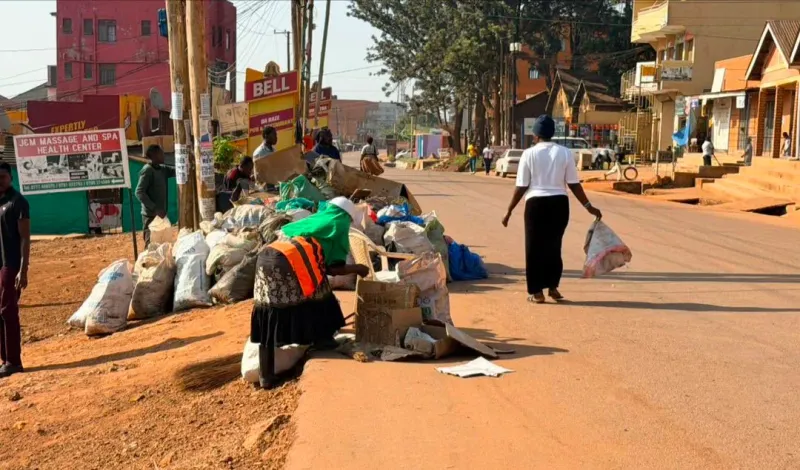
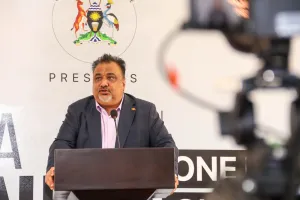
Kampala Capital City Authority (KCCA) is in advanced stages of procuring companies to introduce modern waste management technologies aimed at recovering recyclable materials and transforming garbage into valuable products, as the authority seeks to reduce reliance on conventional dumping.
KCCA Executive Director Sharifah Buzeki said the planned investment would support integrated waste management and material recovery facilities to improve waste handling across Kampala and the Greater Kampala Metropolitan Area (GKMA).
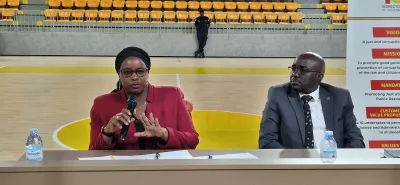
“Our journey is not dumping; we are transitioning from dumping to modern waste management,” Buzeki said during a visit by Parliament’s Committee on Commissions, Statutory Authorities and State Enterprises (COSASE) to the Buyala Waste Management Facility in Mpigi District.
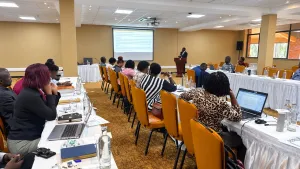
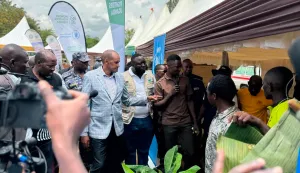
The visit, led by COSASE chairperson Nkunyingi Muwada, focused on the facility’s operations, environmental safeguards and progress in addressing concerns raised by the Auditor General. Legislators also examined the facility’s proximity to land belonging to the Uganda National Oil Company (UNOC).
Buzeki said government support and funding from Parliament were enabling KCCA to pursue the transition in line with the President’s directive to move away from conventional waste dumping.
She said the authority had installed a weighbridge at the Buyala facility to improve monitoring by measuring the quantities of waste delivered. KCCA is also procuring a contractor to construct a perimeter wall using funds allocated in the current financial year.
According to Buzeki, waste collection companies contracted by KCCA are required to cover garbage trucks during transportation to prevent waste from spilling along the roads. The facility does not accept medical waste, and incoming deliveries must be authorised, with operators required to declare the type of waste they are transporting.
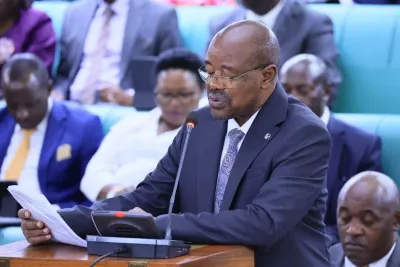
Muwada said Parliament wanted to establish whether Buyala had the necessary infrastructure and safeguards to support effective waste management. He emphasised that the committee would continue monitoring public expenditure to ensure that government investments deliver meaningful and lasting results.
He urged KCCA to address the issues raised by the Auditor General, strengthen environmental safeguards and ensure that the planned transition delivers sustainable waste management solutions for Kampala and surrounding urban centres.
Joseph Mugenyi, the Member of Parliament for Burahya County, also called on KCCA to maintain safety standards and ensure compliance with the relevant requirements.
Regarding concerns about the facility’s proximity to UNOC land, KCCA officials said approximately 460 acres separated the two properties, with the intervening land belonging to a Kampala businessman.
KCCA Deputy Executive Director Benon Kigenyi said the Buyala facility serves Kampala and neighbouring urban centres, including Wakiso, Kira, Kasangati and Bweyogerere.
He explained that every truck entering the facility is registered and weighed to establish the quantity of waste delivered. KCCA officials said the facility receives approximately 1,200 tonnes of waste daily from about 180 trucks, highlighting the scale of waste management demands across the metropolitan area.
KCCA Director of Public Health and Environment Dr Sarah Zalwango said the facility currently occupies about 10 acres within a 230-acre landholding.
To improve environmental management, KCCA has installed leachate collection systems and gas ventilation pipes at the facility. Leachate is the liquid produced when water passes through waste, and it is collected in designated ponds for management. The ventilation pipes help control gases generated as waste decomposes.
The facility also provides livelihoods for more than 450 waste pickers who recover recyclable and reusable materials. According to Kigenyi, some of the workers have established savings groups and savings and credit cooperative societies to improve their financial security and livelihoods.
As part of its wider waste management strategy, KCCA is encouraging households and businesses to separate waste at source. Buzeki said the authority was using public sensitisation campaigns and weekly community cleanups to promote responsible waste handling, with contracted waste collectors also expected to educate communities about proper waste management.
The planned integrated waste management system will incorporate waste segregation, processing technologies and material recovery facilities to help transform suitable waste into useful products. KCCA expects the approach to reduce dependence on dumping, create opportunities for recycling and improve environmental management across Kampala and the surrounding metropolitan area.
Buzeki welcomed Parliament’s guidance and reaffirmed KCCA’s commitment to working with legislators to implement the planned changes.
The transition will depend on the procurement and introduction of the proposed technologies, improvements to existing infrastructure at Buyala and greater public participation in waste separation. If successfully implemented, the approach would help position waste as a recoverable resource while supporting a more sustainable waste management system for Kampala and the Greater Kampala Metropolitan Area.


The Sunrise Editor
Leave a Comment
Your email address will not be published.