


Ugandan officials and industry leaders are urging youth and businesses to prepare for a wave of jobs and investment opportunities as the country’s oil and gas sector nears first production in 2026.
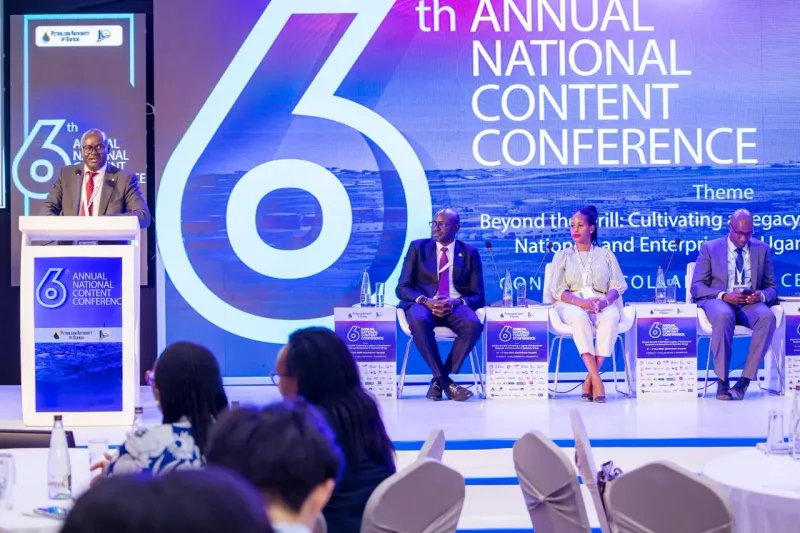
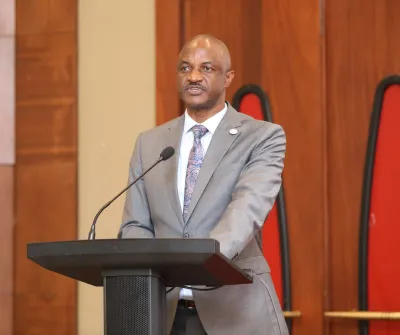
Speaking at the 6th Annual National Content Conference in Kampala, East African Crude Oil Pipeline (EACOP) Deputy Executive Director John-Bosco Habumugisha highlighted Uganda’s shift from construction to operational readiness, which will create new technical and professional roles.
“Opportunities are coming for those who are prepared. We are shifting from construction to commissioning and operations,” Habumugisha said. “Recruitments will continue, and we need commissioning and operational experts. These opportunities are available and accessible; take them and reap the benefits the oil and gas sector presents.”
He noted that EACOP construction is now 74% complete, with more than 90% of project recruits being Ugandans. Over 140 trainees have already graduated in specialised oil and gas competencies, demonstrating the country’s growing readiness for production.
State Minister for Energy Sidronius Okaasai Opolot added that 5,000 Ugandan enterprises have benefited from supplier development and capacity-building programs as the sector gears up for long-term operations. He said the petroleum project, expected to run for over 25 years, will involve more than US$8 billion in annual operating expenditure.
“Uganda will need internationally certified technicians, instrumentation specialists, control room operators, pipeline inspectors, digital engineers, geoscience experts and environmental scientists,” Okaasai said. “Our training institutions must evolve; our skills ecosystem must become more agile, industry-driven and technology-focused.”
Bank of Uganda Governor Michael Atingi-Ego emphasized the sector’s role in Uganda’s economic ambitions, including tenfold growth. He said oil production will support agriculture through fertilizer manufacturing at Kabaale Industrial Park, stimulate hotel and infrastructure investment in tourism, and promote mineral development and technological innovation.
Atingi-Ego also noted that oil-related inflows have supported currency stability as foreign investors convert dollars to pay local staff, but cautioned that long-term benefits depend on governance.
“Oil money is neither a blessing nor a curse,” he said. “The real test is not the number of barrels extracted, but how revenues are converted into national growth. Future generations should feel the impact long after the last barrel.”
Uganda plans to begin oil production in 2026, transporting crude via the 1,443-km EACOP pipeline from Kabaale in Hoima District to the Chongolean Peninsula near Tanga Port, Tanzania. The pipeline is expected to carry about 246,000 barrels per day.



The Sunrise Editor
Leave a Comment
Your email address will not be published.