




Health
Uganda Launches Integrated Service Delivery Implementation Plan for HIV Prevention in Young Women
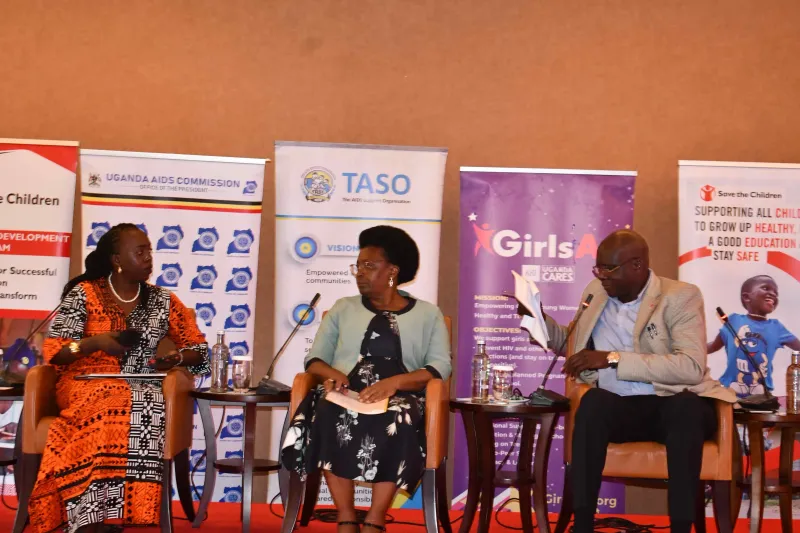
Uganda officially launched the Integrated Service Delivery Implementation Plan for Ending New HIV Infections Among Adolescent Girls and Young Women (AGYW), marking a major step in strengthening the country’s HIV response. The launch, held on 11th March 2026 by the Ministry of Health (MoH) in collaboration with the Uganda AIDS Commission, aims to coordinate government-led services across health, education, social protection, justice, and community systems.
The plan addresses the high vulnerability of adolescent girls and young women to HIV by linking multi-sectoral services and moving away from fragmented interventions toward a harmonized, sustainable system embedded in national and district structures. Officials emphasized mainstreaming HIV programs into local budgets and allocating the mandated 0.1% for HIV initiatives to support prevention, testing, and treatment.
Recent health data from Mbarara City indicates a significant rise in new HIV infections, with over 1,600 new cases reported in 2025. Young women and adolescents remain the most affected, highlighting the urgent need for the Integrated Service Delivery Implementation Plan. District-level oversight by the Uganda AIDS Commission has identified challenges in Mbarara, including stigma, poor adherence to treatment, understaffed health facilities, and insufficient IEC materials, all of which the plan aims to address through coordinated multi-sectoral interventions.
As part of the rollout, the Uganda AIDS Commission conducted oversight visits to key districts in the Ankole sub-region, including Bushenyi, Kiruhura, Isingiro, Rwampara, and Mbarara City. These visits highlighted gaps in HIV service delivery and emphasized the need for community engagement, improved coordination, and strengthened health systems to ensure the plan’s success.
Uganda’s government remains committed to ending new HIV infections among adolescent girls and young women, aligning with its vision for sustainable and integrated HIV services. The launch of this plan, especially amid rising HIV cases in regions like Mbarara, underscores the country’s proactive approach to protecting vulnerable populations and ensuring long-term public health impact.







Sunrise reporter
Leave a Comment
Your email address will not be published.