AI-Aided vs AI-Created: The Future Is Now, or Do We Catch Up Later?
A multimedia producer reflects on the growing role of artificial intelligence in creative production, using a real-life experience with AI-generated French subtitles to explore questions of originality, transparency, professional responsibility, and the future of creative work.

For more than ten years, I have been producing humanitarian and development content.
Over that time, the production process has changed considerably. Lately, something new has crept into the process between production and the final product we deliver to clients.
One question keeps standing out: was AI used in creating this? If yes, how much of it, where, and which AI system?
As the days go by, we are learning that the work is still original. But because AI is involved as a tool, questions of originality follow. AI is trained on the work of creators who came before, and that takes us back to how we have always learned.
Such questions never came up when we used Google for research before production. Or earlier still, when we used public libraries. Not so?
A Small Production Problem
One of the best projects I have worked on was a five-minute development video produced in Uganda. Production went smoothly, as most of mine do.
Then came the French subtitles.
The most budget-friendly translator I could find was still well beyond our budget, and the figures were locked with the client. The deadline wasn't moving either.
So I had an epiphany: could AI do this?
I had never tested it on a task like this, and French is a big language, so I knew I was taking a risk. But I understood the process. When I work with human translators, English is our middle ground. I send the English transcript, and they return the French line by line. I decided to run the same process with AI.
I told my director not to worry, that we would deliver, even though the tool I was counting on was untested. I fed the transcript through line by line, checked the output against the English, timed the subtitles and fitted them into the edit. The result felt right, and I was happy with it.
The Moment of Truth
The first draft went to the client.
I kid you not, the only revision they asked for on the French subtitles was the way their organisation's name is written in French. They even commended our French translator as excellent.
Then came the part that made me uncomfortable.
The client praised a "translator" who was not a person. And when it comes to describing AI's role in a project, there is no clear standard yet on what to say or how much. The client couldn't have detected it either way. How could they?
Judge me if you must, but not yet.
The real test would come if they ever asked to work with our translator directly. I pray that day never comes.
So let me ask you: would you disclose that this very good translator was AI?
AI-Aided or AI-Created?
This is where I think our industry is heading. We will have to get much better at telling AI-created from AI-aided work, because they are not the same thing.
If I ask AI to write an entire documentary, generate the interviews, invent the characters, create the visuals and produce the final film, that is a very different conversation about authorship.
But if I develop the story, conduct the interviews, shoot, edit, and then use AI to translate the subtitles into French? Is the film now an AI production?
I don't think so. AI was a tool inside the process.
The bigger question is whether the person using the tool still understands the work. AI can produce an answer, but it cannot automatically give you professional judgement. Someone has to know whether the answer makes sense, notice when a translation is technically correct but culturally wrong, and decide whether the subtitle timing works. And someone has to take responsibility when it doesn't.
That someone was me.
But There Is a Catch
There is another uncomfortable part of this conversation.
If AI lets a producer complete a task that once needed another professional, should the client pay less? Should the producer be paid more? Or does the producer simply deliver more within the same budget?
Perhaps that is the real question. Not whether AI was involved, but who was responsible for the work.
The tools change. The expectation doesn't. We are still expected to deliver.
Maybe the Real Skill Is Knowing When to Use the Tool
I don't think AI is going to eliminate professional creatives. I think it will expose the difference between people who simply operate tools and people who understand the work behind them.
Using AI doesn't automatically make someone an AI creator. The real skill may be knowing what to give AI, what not to give it, what to accept, what to question, and what ultimately needs a human being.
Whether we like it or not, the future is already here. Some of us are already using these tools quietly. Others are still debating whether it is coming.
It is.
And now, after reading this, someone will probably ask:
"Was this article AI-aided?"
Elijah Lujjumwa | Multimedia Producer
Sources and corrections
Figures come from public filings and official statements. Spotted an error? Report a correction.
Opinions stories
More Opinions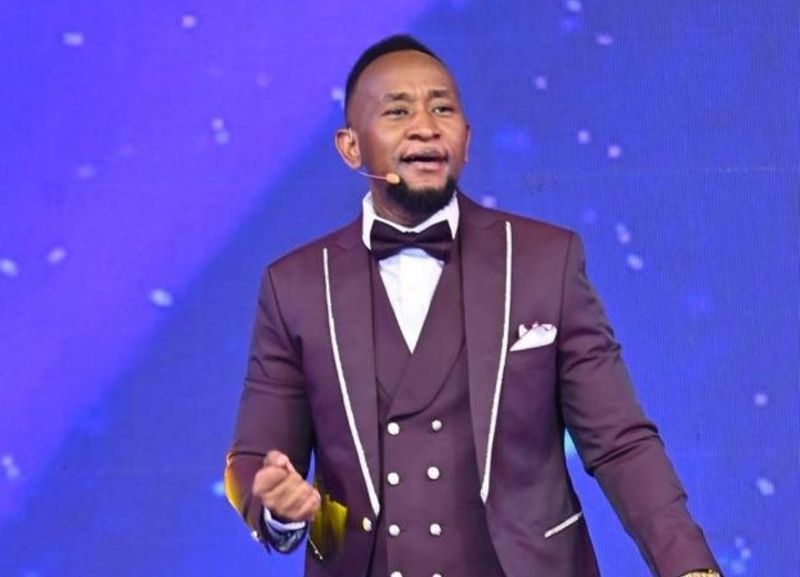
Kezia Koburungi: Let the Elders Who Rule Well Be Considered Worthy of Double Honour
Every generation is shaped by voices that rise beyond the ordinary, voices that carry divine insight and direction for their time. In Scripture, Paul’s counsel to Timothy remains timeless: “Let the elders who rule well be considered worthy of double honor, especially those who labor in preaching and teaching” (1 Timothy 5:17). This verse does […]
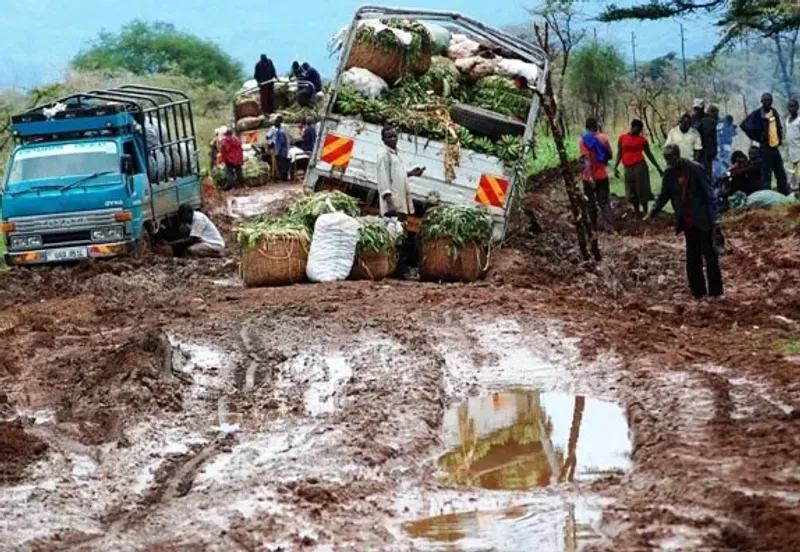
Andrew Mwenda: On Museveni’s Roads Crisis
President Yoweri Museveni complained recently about the bad state of our national trunk roads. He blamed “people” who have “caused this disastrous state of our roads” as not understanding the ideology of NRM. It is always interesting [and intriguing] to watch the president speak like a distant observer of the crisis, not as the chief […]

Susan Sharon Kabedha: Why Flexible Work is a Win-Win Solution Beyond 9-to-5
The COVID-19 pandemic remains, to this day, one of the greatest disturbances of our time. It didn’t just hit health or the economy; it turned work as we knew it on its head. It revealed in the corporate world just how vulnerable traditional work structures were in the face of a crisis. Suddenly, it became […]
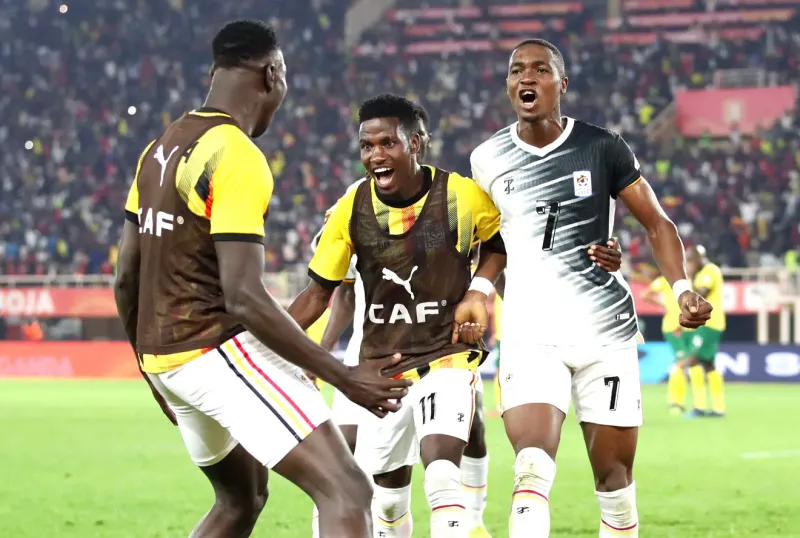
Sheila Awori: We Should Forge Corporate Partnerships to Build a Stronger Sports Industry in Uganda
I have, with dismay, observed the rate at which Ugandans are losing faith in their local sports clubs and athletes, increasingly choosing to support regional or even international teams. A quick trip downtown will reveal more international sports jerseys on display than local ones. If you ask the average Ugandan which club or athlete they […]
Latest stories

Nabbanja Leads National Cleaning Day Exercise at Kalerwe Market
Prime Minister Robinah Nabbanja leads Uganda's fifth National Cleaning Day exercise at Kalerwe Market as anti-corruption agencies and civil society organisations join the campaign.

Government Calls for Stronger Protection Against Sexual Abuse in Workplaces and Learning Institutions
Uganda Government and Enabel commit to strengthening safeguards against sexual exploitation, abuse and harassment in workplaces and learning institutions.
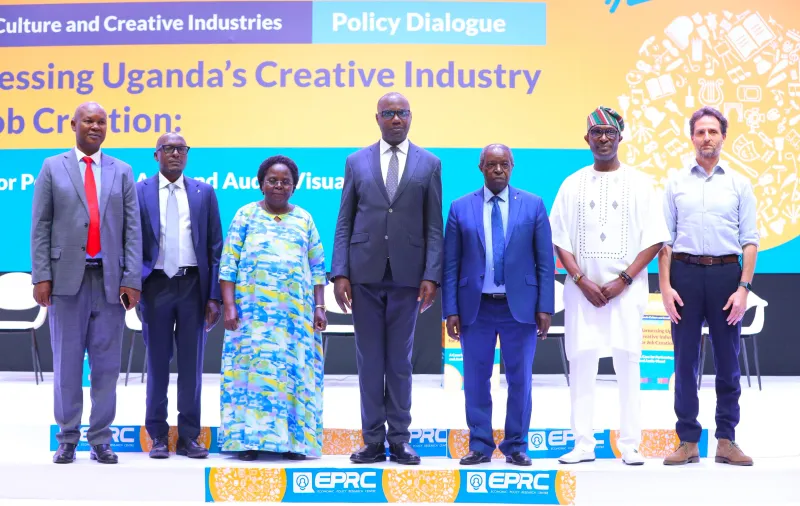
Musasizi Urges Banks to Accept Intellectual Property as Loan Collateral for Uganda’s Creatives
Henry Musasizi urges Ugandan banks to accept intellectual property as loan collateral to boost financing, investment and job creation in the creative industry.
President Museveni Receives Letters of Credence from Seven New Diplomats
President Museveni receives Letters of Credence from seven new diplomats representing Pakistan, Egypt, South Africa, Sudan, Iran, DRC and the Holy See at State House, Entebbe.
Discussion (0)
Your email address will not be published.