
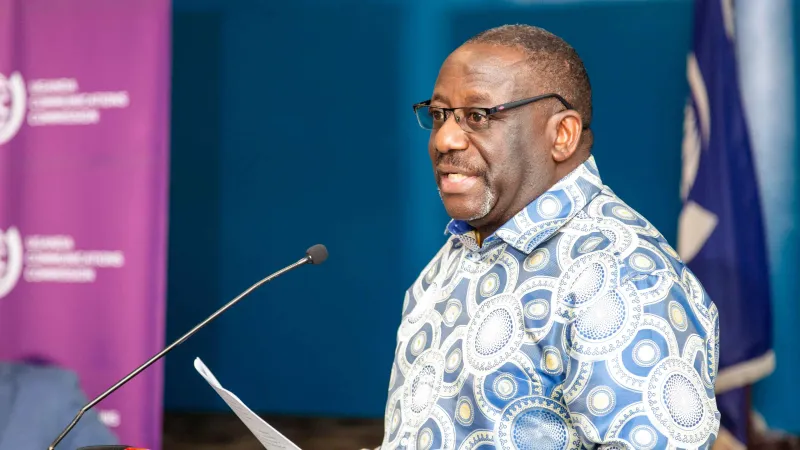





The Uganda Communications Commission (UCC) has issued a strict directive to all broadcasters and users of online communication platforms, instructing them to refrain from announcing or publishing election results. According to the UCC, only the Electoral Commission holds the legal authority to declare official results.
In its directive, which targets television stations, radio broadcasters, online media platforms, and social media users, the UCC highlighted past incidents where false or unauthorised results caused public confusion and eroded trust in the electoral process.
The Commission reminded media outlets that “under Ugandan law, the Electoral Commission is the only body authorised to tally, declare and announce results from polling stations.”
Broadcasters have been warned against airing projected, parallel, or unofficial results, including tallies claimed by political parties, party agents, civil society groups, individuals, random callers, or other unofficial sources. “Any declaration of results outside the Electoral Commission process is illegal,” the directive emphasizes.
Where official results from the Electoral Commission are broadcast, UCC instructed that the figures must be presented exactly as they appear on the official declaration forms. Broadcasters are also required to retain copies of the forms or audio-visual recordings of returning officers announcing the results.
Additionally, broadcasters should remind viewers and listeners at the end of every results bulletin that the figures are based on the Electoral Commission’s official records.
The Commission also cautioned social media users, including account holders, group administrators, and discussion hosts, against posting or sharing false, misleading, or inflammatory election information, noting that such acts are punishable under the Computer Misuse Act. Social media administrators have been urged to moderate their platforms to prevent prohibited content from circulating.
UCC warned that any violations of the directive could attract administrative and legal consequences, including warnings, fines, broadcast suspensions, or prosecution under the law.
Media outlets have been instructed to circulate the guidance to all editorial, programming, and on-air staff, ensuring full compliance throughout the election period. The Commission further encouraged media houses and online platforms to obtain prior authorisation and accreditation from the Electoral Commission to facilitate smooth coverage and access to official updates.






Lynzy Mbabazi
Leave a Comment
Your email address will not be published.