

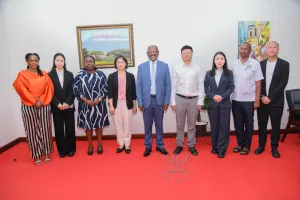

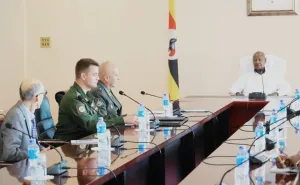
The Inspector General of Government, Lady Justice Naluzze Aisha Batala, has warned Hoima District and Hoima City officials against corruption, abuse of public office and the sale of government jobs.
The Inspector General of Government (IGG), Lady Justice Naluzze Aisha Batala, has cautioned staff of Hoima District Local Government and Hoima City against corruption and abuse of public office, urging them to uphold transparency and accountability in the management of public resources.
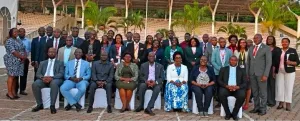
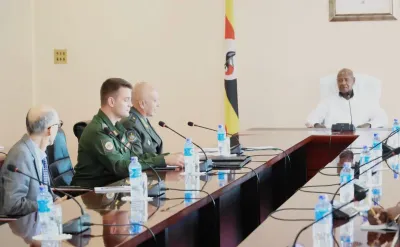
The warning was delivered during a joint meeting with the leadership and staff of Hoima District and Hoima City at Hoima City Stadium as part of the IGG’s regional tour.
During the engagement, Batala emphasised the need for public officials to ensure that government funds are properly managed and used for their intended purposes, particularly resources allocated to service delivery programmes.
She stressed that local government authorities have a responsibility to ensure that public projects are implemented according to the required standards and that citizens receive the benefits intended by government interventions.
The IGG highlighted the importance of accountability in implementing the Parish Development Model (PDM), a government programme aimed at supporting households to transition from subsistence production into the money economy.
She urged Hoima District and City officials to ensure that funds allocated to the programme are managed transparently and reach the intended beneficiaries.
Batala also called on local government leaders to strengthen supervision of government projects and ensure that public resources are not misused or diverted from their intended objectives.
Her remarks underscore the importance of accountability in local government administration, where proper management of public funds is essential for improving service delivery and supporting community development.
Batala also warned public officials against corruption in recruitment, particularly the practice of demanding or receiving money from job seekers in exchange for government employment.
She said the Inspectorate of Government would not hesitate to apprehend individuals found culpable of engaging in corrupt recruitment practices.
The warning targets practices that undermine fairness in public service recruitment and deny qualified applicants equal opportunities to compete for government positions.
In August 2025, the Inspectorate of Government published findings from a study on corruption in recruitment by District Service Commissions in Uganda. The study estimated that job seekers paid at least Shs29 billion in bribes to secure public service jobs between 2018 and 2022, highlighting the scale of the problem in local government recruitment.
The report provides broader context for the IGG’s renewed warning against the sale of jobs and other forms of corruption in public institutions.
The Inspector General of Government further explained that investigations are prioritised to establish the facts, gather evidence and determine appropriate action against suspected offenders.
The approach underscores the importance of following due process when handling corruption allegations and ensuring that enforcement action is supported by evidence.
The Inspectorate of Government is mandated to promote good governance, investigate corruption and abuse of authority, and hold public officials accountable in accordance with the law.
The meeting also provided an opportunity for leaders and staff from Hoima District Local Government and Hoima City to share their concerns directly with the IGG.
Participants engaged in discussions on service delivery, accountability and the challenges involved in fighting corruption within public institutions.
The engagement formed part of the IGG’s regional tour, which provides an opportunity to interact with public officials and address governance concerns affecting local government operations.
The emphasis on transparency, proper management of public funds and integrity in recruitment highlights the responsibility of public servants to ensure that government programmes benefit the communities they are intended to serve.




Sunrise reporter
Leave a Comment
Your email address will not be published.