



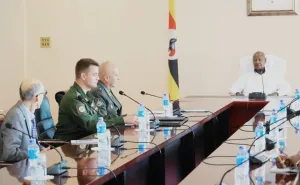

The Deputy Inspector General of Government (DIGG), Anne Twinomugisha Muhairwe, has urged the National Identification and Registration Authority (NIRA) board and management to strengthen accountability, improve service delivery and restore public confidence in the institution.
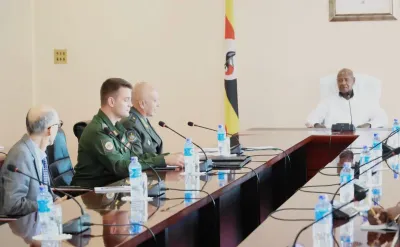
Muhairwe made the call during a meeting with NIRA management as part of activities organised by the Inspectorate of Government (IG) to commemorate International Ombuds Day 2026.
She said NIRA’s leadership transition presents an opportunity to reinforce professionalism, transparency, compliance with the law and responsible management of public resources.
The Deputy IGG noted that the Inspectorate of Government receives complaints about administrative challenges in public institutions, including alleged irregularities in recruitment and procurement, financial management concerns and weaknesses in institutional culture.
She explained that the Ombudsman’s mandate extends beyond investigating complaints to helping public institutions resolve administrative disputes through dialogue, mediation and early intervention before problems escalate.
Muhairwe encouraged NIRA’s leadership to strengthen internal systems, engage constructively with employees and address administrative grievances promptly to improve institutional performance and public trust.
The Deputy IGG also emphasised the need for transparency, responsible data management and compliance with established procedures, given NIRA’s critical role in national identification and registration.
She urged the authority to improve customer care, manage public expectations and align demand for services with available operational capacity to minimise delays.
Muhairwe stressed that citizens seeking national identification and registration services should be treated professionally and courteously, without being subjected to unnecessary financial demands.
She said efficient and transparent service delivery is essential to improving the public’s experience and strengthening confidence in government institutions.
The Director of the Directorate of Ombudsman Affairs, Kakooza Savio Ntensibe, called on NIRA Executive Director Rosemary Kisembo to prioritise timely payment of staff salaries.
He noted that prompt remuneration is important for staff morale, institutional stability and effective service delivery.
Meanwhile, the Director of the Directorate of Research, Education and Advocacy, Gwaira Gerald, reminded NIRA officers of their obligation to declare their income, assets and liabilities within the prescribed timelines under the applicable Leadership Code requirements.
The declarations are part of the accountability obligations expected of public officers.
In her remarks, Kisembo identified staff shortages as one of the challenges affecting NIRA’s operations and its ability to deliver services effectively.
She welcomed the Inspectorate of Government’s engagement and committed to organising a staff sensitisation session to explain the Ombudsman’s mandate.
The proposed session will also provide an opportunity for NIRA employees to discuss workplace challenges and identify possible areas for institutional improvement.
NIRA Board Member Dr. Hatwib Mugasa emphasised the importance of strict compliance with data management requirements, while fellow board member Samuel Akena commended Kisembo’s efforts to manage the authority amid resource constraints.
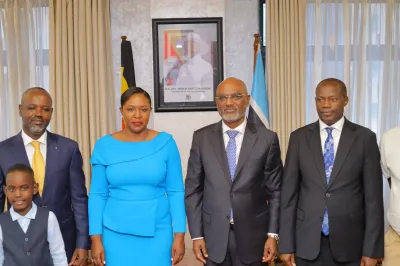
Muhairwe commended Kisembo for taking on the responsibility of leading NIRA and highlighted the importance of collaboration between the Inspectorate of Government and public institutions.
She said constructive engagement can help address administrative challenges, promote integrity and strengthen public service delivery.
The engagement formed part of the Inspectorate’s activities to mark International Ombuds Day 2026, which highlights the role of ombudsman institutions in resolving grievances, promoting administrative justice and improving relations between citizens and government agencies.
Through its Ombudsman mandate, the Inspectorate of Government seeks to address maladministration and ensure that public institutions operate transparently, responsibly and in the public interest.




Sunrise reporter
Leave a Comment
Your email address will not be published.