
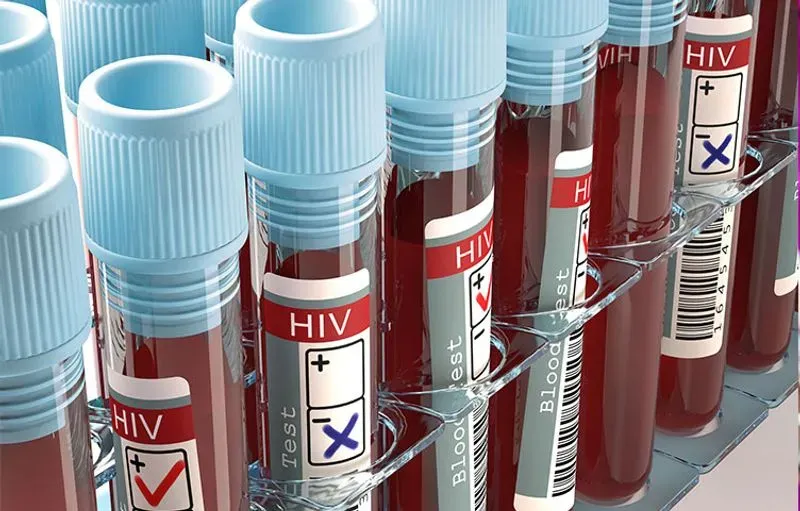


Health officials in Mityana are sounding the alarm after HIV prevalence in the district rose from 1.5% to 3% within a year, an increase they largely attribute to reduced financial support for HIV/AIDS programs.
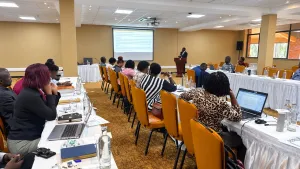
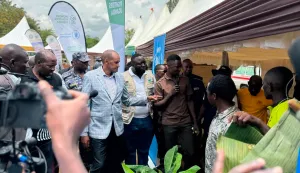
This worrying trend shaped the district’s observance of World AIDS Day, celebrated under the theme “Overcoming disruption, transforming the AIDS response.” The main event took place at Ssekanyonyi Health Center IV in Ssekanyonyi Town Council, drawing a significant gathering of residents.
According to the Mityana District Focal Person, Dr. Peter Muwereza, the district is experiencing a noticeable increase in HIV/AIDS cases. He explained that the current 3% rate, double last year’s figure, is “too much of an increase.” Dr. Muwereza pointed to funding cuts from the United States as the primary driver of the surge, noting that the reduction has halted essential activities such as community outreaches due to lack of resources.
He urged both the government and local authorities to incorporate HIV/AIDS interventions into their own budgets so the district does not rely solely on donor contributions.
During the commemoration, a girl (name withheld) shared how she contracted HIV at a young age. She explained that she had not been born with the virus, but became infected after her father forced her into sex following conflicts between him and her stepmother.
Florence Nakanwagi, Coordinator of the Mityana District Forum for People Living with HIV/AIDS, said many NGOs that previously supported patients, particularly with monitoring and medication access, have since withdrawn. She encouraged all individuals on ARVs to return to health facilities and continue picking up their treatment.
Representing the district chairperson, the Secretary for Education and Health, Mambo Sulait Ssengendo, appealed to residents to get tested without fear, emphasizing that early diagnosis enables timely treatment.
Guest of honour and Mityana Assistant Resident District Commissioner, Peter Kimera, called on local leaders to take the lead in community mobilization and HIV/AIDS sensitization. He noted that many rural residents avoid testing because they believe they are victims of witchcraft, stressing that proper guidance can help them seek treatment promptly.







Marlene Luwedde
Leave a Comment
Your email address will not be published.