
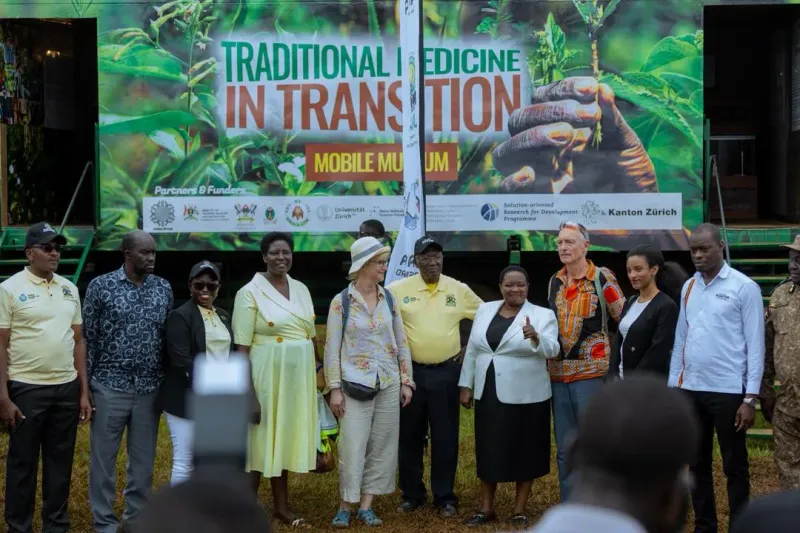





Uganda has used this year’s World Wildlife Day celebrations to spotlight a fast-growing tourism niche: herbal and medicinal tourism rooted in biodiversity conservation.
The national event, held at Entebbe Works Grounds, was officiated by Robinah Nabbanja and brought together conservation agencies, tourism leaders, educators, and environmental advocates to highlight the importance of protecting medicinal and aromatic plants.
This year’s global theme, “Medicinal and Aromatic Plants: Conserving Health, Heritage and Livelihoods”, aligns closely with Uganda’s growing strategy to link conservation, community livelihoods, and wellness tourism.
Uganda Expands Tourism Beyond Wildlife Safaris
Globally recognized for gorilla trekking and protected areas managed by the Uganda Wildlife Authority (UWA), Uganda is now positioning its rich plant biodiversity as a new tourism frontier.
While iconic wildlife remains central to Uganda’s tourism brand, officials emphasized that the country’s forests and ecosystems are also home to invaluable medicinal and aromatic plant species that:
- Support traditional and modern healthcare
- Preserve indigenous knowledge systems
- Sustain rural livelihoods
- Contribute to climate resilience
By protecting these plant species, Uganda strengthens both conservation outcomes and economic opportunities tied to sustainable tourism.
Herbal and Medicinal Tourism Gains Momentum
During the event, UWA showcased protected medicinal plant species and introduced new conservation education materials for schools through the Uganda Wildlife Conservation Education Centre (UWEC).
Tourism stakeholders say this approach reinforces Uganda’s potential as an emerging destination for:
- Herbal medicine tourism
- Wellness and eco-tourism
- Cultural and heritage-based travel
- Sustainable nature experiences
The Ministry of Tourism, Wildlife and Antiquities, working alongside conservation partners, reaffirmed its commitment to promoting responsible use of biodiversity while creating economic opportunities for communities.
Linking Conservation, Livelihoods and Wellness
Officials stressed that protecting medicinal plants is not only an environmental priority but also a socio-economic strategy.
Uganda’s biodiversity supports millions of people who rely on forest resources for:
- Traditional healing practices
- Income-generating herbal products
- Community-based tourism initiatives
By promoting sustainable harvesting and conservation, the country aims to ensure long-term access to these resources while preventing overexploitation.
The government thanked UWA, the Ministry of Tourism Wildlife and Antiquities, and development partners for advancing biodiversity protection efforts that safeguard both ecosystems and future economic growth.
Uganda’s Biodiversity: A Strategic Asset for Global Wellness Travel
The global wellness tourism industry continues to expand, with travelers increasingly seeking destinations that combine:
- Natural healing experiences
- Authentic cultural engagement
- Environmental sustainability
- Nature-based retreats
Uganda’s tropical forests, protected landscapes, and deep-rooted traditional knowledge systems offer a strong foundation for positioning the country as a leading wellness and biodiversity destination in Africa.
Industry observers note that integrating medicinal plant conservation into tourism strategy diversifies Uganda’s offerings beyond traditional safari tourism and enhances its competitiveness in the global travel market.
A Commitment to Sustainable Development
As Uganda joined the international community in commemorating World Wildlife Day, leaders reaffirmed their commitment to:
- Conservation of medicinal and aromatic plants
- Sustainable resource management
- Community empowerment
- Environmental education
By aligning biodiversity protection with tourism development, Uganda continues to strengthen its reputation as a sustainable tourism destination where conservation and economic growth go hand in hand.






Sunrise reporter
Leave a Comment
Your email address will not be published.