


Health
Building Skills, Lifesaving Actions: KGA Training & Projects Boost Trauma Care in Uganda's Healthcare System
At Masaka Regional Referral Hospital, trauma teams face mass-casualty emergencies under pressure with little formal training. One trainee initially felt the program was "designed for expert emergency responders," however, training using mannequins built his confidence and quick thinking to respond when real lives are at stake.
A Partnership for Lifesaving Care
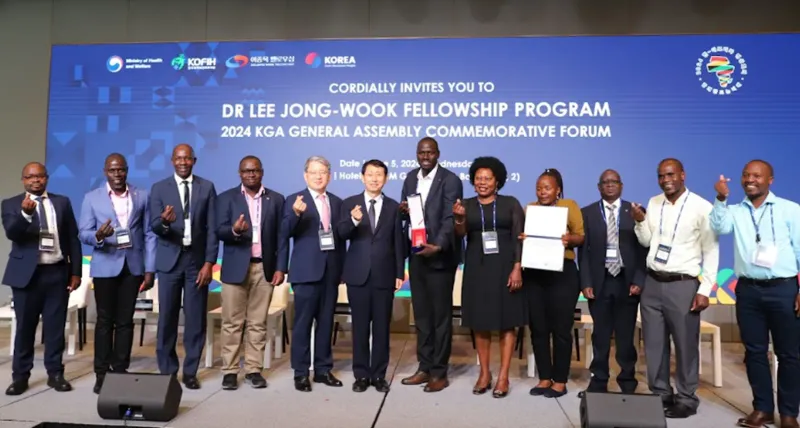
From November 6, 2023, to March 31, 2024, Dr. Omona Alfonse, an alumnus of the Dr. Lee Jong-wook Fellowship program, who doubles as a Consultant Surgeon and Head of Emergency Department Masaka Regional Referral Hospital; led a team of fellow alumni, hospital staff and emergency practitioners with support from Ministry of Health to develop and implement The Uganda Trauma Assessment and Treatment Algorithm project dubbed TUTATA. Supported by Korea Foundation For International Healthcare (KOFIH), the project aimed to address Uganda's high trauma burden by developing a practical, locally driven and context-specific approach, modelled from the Korea Trauma Assessment and Treatment (KTAT) program, to improve trauma care, strengthen emergency response, and reduce preventable deaths.
Beyond the Skills Lab
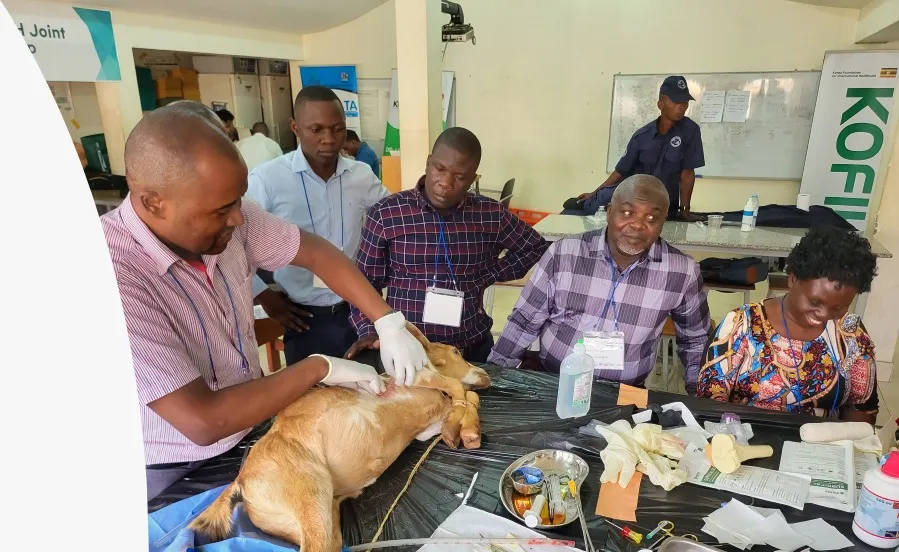
The project emphasized practical skills over theory by developing the TUTATA algorithm and training materials, procuring a point-of-care ultrasound machine, and delivering hands-on trauma training for 32 emergency department. The initiative also introduced routine use of point-of-care ultrasound and eFAST, marking the hospital's first routine use of extended focused abdominal sonography for trauma and enabling faster identification of life-threatening conditions. It also improved emergency department staff's confidence, structured assessment, rapid response, and teamwork in mass-casualty situations.
Changing Systems, Not Just Skills
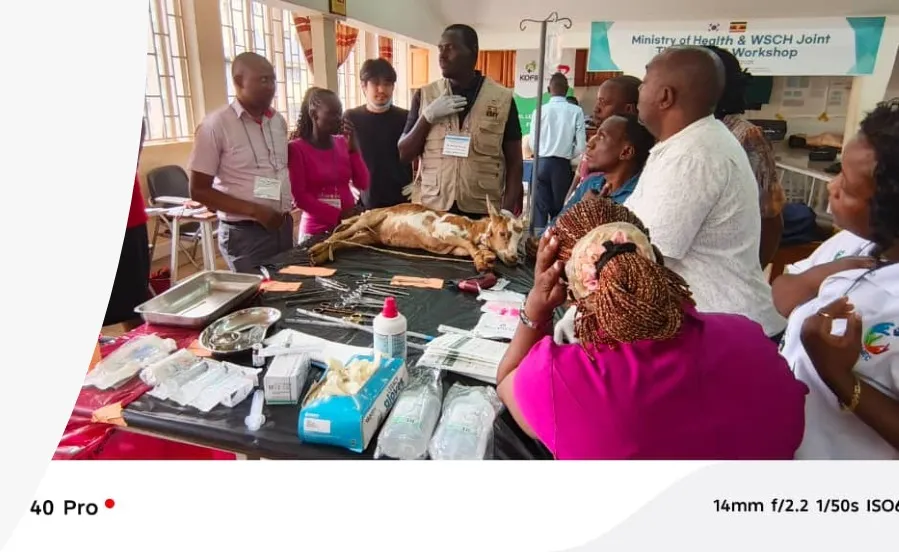
TUTATA showed that capacity building strengthens both individual skills and the culture of care. In a bid to extend the training beyond Masaka Regional Referral Hospital, the TUTATA developers in collaboration with renown emergency experts from Wonju Severance Christian Hospital in South Korea delivered a similar training in Mulago National Referral Hospital targeting over 30 health workers. This training was tailored to equip healthcare professionals to recognize and immediately manage life-threatening trauma conditions within Uganda's emergency and surgical care context. Through simulation-based training and practical skills sessions, the training aimed to build the capacity of experienced healthcare professionals to become effective trainers, capable of disseminating trauma care knowledge and skills within their institutions and communities, contributing to the long term strengthening of Uganda's national trauma care system.
The Ripple Effect
To date, a total of 62 health workers have been trained under the TUTATA program with 15 health workers qualifying as Trainer of Trainers (ToTs) further reinforcing local ownership and sustainability in trauma care capacity building. Today, the true impact of the project can be seen not only in manuals, equipment, or training schedules, but in the hands and decisions of the people standing at the bedside when trauma strikes. The frontline staff who once felt overwhelmed are now better prepared to respond with speed, structure, and skill. In the middle of an emergency, that change can mean the difference between delay and action, confusion and coordination, life and loss. TUTATA stands as a compelling testament to the effectiveness and transformative impact of the Dr. Lee Jong-wook Fellowship Program, empowering fellows and alumni to translate knowledge into practical, context responsive solutions that drive meaningful change within health systems and positively impacts real lives.
Over 150 health workers have been sent to South Korea to undertake various courses under the felllowship program.



The Sunrise Editor
Leave a Comment
Your email address will not be published.