
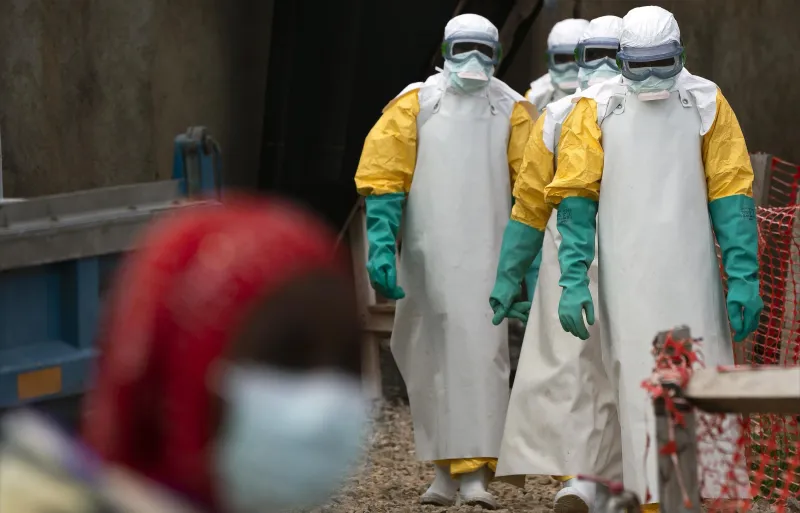





Uganda’s Ebola outbreak has risen to 15 confirmed cases after health authorities confirmed six new infections detected among individuals who were already listed as contacts of confirmed patients, the Ministry of Health said on Tuesday.
The ministry reported that 12 patients are currently admitted to Ebola treatment units, while two people have recovered and been discharged. One Ebola-related death has been recorded since the outbreak began.
Health officials said all six newly confirmed cases were identified through ongoing contact tracing efforts, with patients already under surveillance following exposure to confirmed cases. Authorities are currently monitoring 668 contacts across affected areas as part of intensified outbreak containment measures.
The findings suggest that transmission is largely occurring within known exposure chains, allowing health teams to quickly isolate infected individuals and reduce the risk of wider community spread.
Uganda’s Ministry of Health, working with local and international partners, continues to strengthen surveillance, case management, laboratory testing, and community engagement to contain the outbreak. Contact tracing remains a key pillar of the response, alongside rapid isolation and monitoring of exposed individuals.
Uganda has also strengthened cross-border surveillance and coordination with neighboring countries following Ebola cases reported in the region, particularly in the Democratic Republic of Congo. Earlier reports highlighted regional coordination efforts between health ministers to improve cross-border Ebola response efforts. https://sunrise.ug/news/health/202605/uganda-confirms-three-new-ebola-cases-as-regional-ministers-meet-on-cross-border-response
Health authorities have also implemented a range of Ebola control measures including enhanced surveillance, contact tracing, isolation, and community sensitization in high-risk districts.
The outbreak involves the Bundibugyo strain of the Ebola virus, first identified in western Uganda in 2007. Health experts note that early detection, isolation, and monitoring remain critical tools in controlling spread, particularly in the absence of widely available targeted vaccines for this strain.
Ebola virus disease is a severe and often fatal illness transmitted through direct contact with infected bodily fluids or contaminated materials. Symptoms include fever, fatigue, vomiting, diarrhea, and in severe cases, bleeding.
Health authorities continue to urge the public to report suspected cases early, avoid unnecessary contact with infected individuals, and cooperate fully with surveillance and contact-tracing teams.







Dr. Barbara Zawedde
Leave a Comment
Your email address will not be published.