
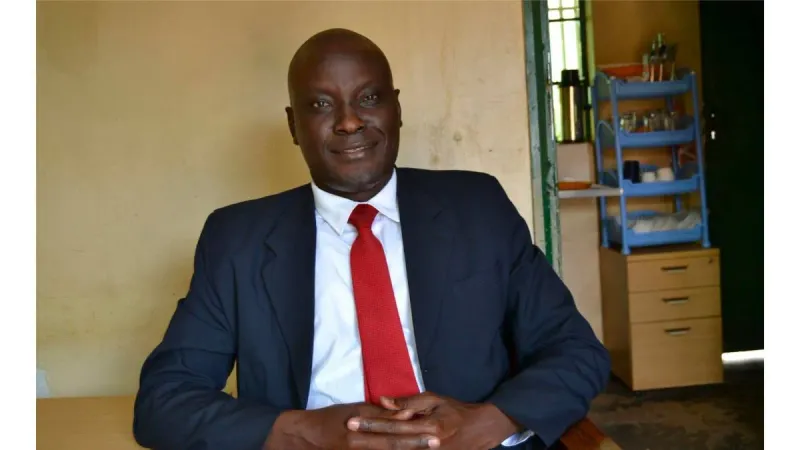
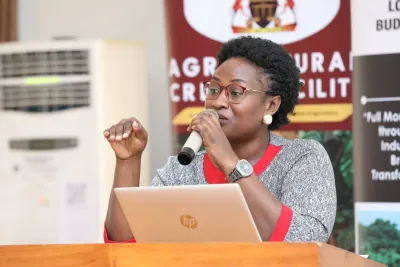
In 2025, Uganda faced a concerning number of unclaimed bodies, with at least 509 remaining unidentified, according to the lead pathologist of the Uganda Police Force, Assistant Inspector General of Police, Dr Moses Byaruhanga. Police records indicate that a total of 723 unknown bodies were received during the year.
Dr Byaruhanga, who also serves as Director of Police Health Services, revealed that all unidentified bodies were taken to the KCCA Mortuary. Of these, only 214 were eventually claimed by relatives. “Various samples were collected from the bodies. Fingerprints and 3D photographs were also taken for each body before burial,” he said.
The remaining 509 unclaimed bodies were buried at Bukasa public cemetery, managed by the Kampala Capital City Authority. Before burial, police conducted full forensic documentation to ensure proper identification records were maintained. Police say the difficulty in identifying many deceased individuals is largely due to the absence of identification documents. Dr Byaruhanga explained that “some people leave their homes and travel to Kampala without any form of identification, making it extremely difficult to trace relatives when such individuals are killed by criminals, involved in accidents, or collapse and die suddenly.”
The KCCA Mortuary in Mulago, under the Kampala Metropolitan Police, conducted the highest number of postmortem examinations in the country. The facility, one of Uganda’s largest forensic pathology centers, is jointly managed by the Uganda Police Force and KCCA and plays a vital role in medico-legal investigations and public health services.
On the healthcare front, police health facilities recorded hypertension as the most common non-communicable disease in 2025. Women accounted for 65.3 percent (3,926 cases) of all hypertension cases, while men made up 34.7 percent. Dr Byaruhanga emphasized that the facilities serve not only police officers but also their families and nearby civilian communities. “Our facilities accommodate police officers, their spouses, relatives, and members of nearby communities. These hypertension cases are therefore for all the people we attended to,” he said.
However, service delivery is constrained by shortages of medicines, particularly those not supplied by the National Medical Stores (NMS) to Health Centre IIs and IIIs, which constitute the majority of police health facilities. Dr Byaruhanga noted that these facilities often receive patients who require stronger medication not provided by NMS. Responding to this, Ministry of Health Spokesperson Emmanuel Ainebyoona explained that certain medicines may not be supplied when their cost exceeds the allocated police health budget.
Despite these challenges, Police Health Services implemented several interventions to improve healthcare access for officers, families, and surrounding communities. Dr Byaruhanga reported that a total of 6.68 billion shillings was spent across ten priority areas, largely financed by the Government of Uganda, with additional support from JLOS for medico-legal services. Funding focused on essential medicines, system strengthening, medical equipment, and disease-specific interventions.
URN

The Sunrise Editor
Leave a Comment
Your email address will not be published.