


Africa
Guinea-Bissau’s Opposition Presidential Candidate Fernando Dias Escapes Arrest Attempt, Protected by Nigeria
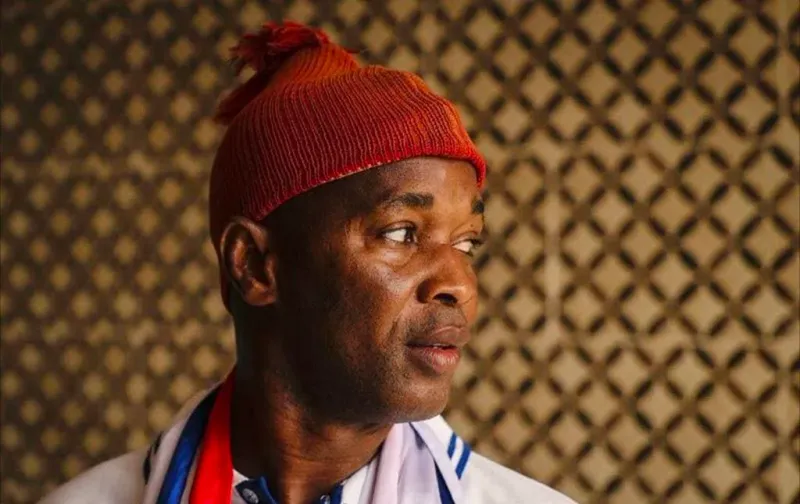
Nigeria has granted protection to Guinea-Bissau’s opposition presidential contender Fernando Dias, offering him refuge inside its embassy in Bissau after a military coup halted the release of election results and plunged the country into deeper political turmoil.
Dias, 47, who ran under the Party for Social Renewal, had been sheltered at the Nigerian mission due to “threats made against” him, according to Nigeria’s Foreign Minister Yusuf Tuggar. He was considered the main challenger to President Umaro Sissoco Embaló, who was seeking a second term before fleeing the country in the wake of the takeover.
Both Dias and Embaló had claimed victory in the 23 November presidential poll, a vote already fraught with tension after the long-dominant PAIGC party was barred from presenting a candidate. Three days later, soldiers suspended the electoral process, blocked publication of the results, and insisted they intervened to stop an alleged destabilisation plot. Following the coup, authorities imposed sweeping restrictions, banning all demonstrations and “all disturbing actions of peace and stability in the country”.
Amid rising unease in Bissau, where PAIGC said its headquarters had been “illegally invaded by heavily armed militia groups” and its leader Domingos Pereira was detained, Dias reported narrowly escaping arrest as armed men stormed his campaign offices. Nigeria said President Bola Tinubu approved safeguarding Dias at the embassy, noting in a letter to ECOWAS Commission chief Alieu Omar Touray that “the decision to accommodate Mr Da Costa in the Nigerian premises underscores our firm commitment to safeguarding the democratic aspirations and the sovereign will of the good people of Guinea-Bissau”. Abuja also requested that ECOWAS peacekeepers in the country be assigned to protect Dias.
Regional leaders from ECOWAS have been pressing the coup leaders to step aside and allow the results to be announced. A delegation led by Sierra Leone’s Foreign Minister Alhaji Musa Timothy Kabba held what were described as heated mediation talks on Monday, after which Kabba said discussions were “productive,” though “both parties expressed their concerns”. He reiterated that “ECOWAS … demands the restoration of constitutional order, as well as the continuation and logical conclusion of the electoral process,” adding that a further decision would be taken at the ECOWAS summit scheduled for 14 December. The bloc has already suspended Guinea-Bissau from all decision-making bodies and warned that sanctions could follow.
The military has installed Maj-Gen Horta N’Tam (also referred to as Inta-a in some statements) as transitional leader for a one-year period. He has justified the coup as a necessary response to a plot by “narcotraffickers” to “capture Guinean democracy”. But political opponents, including Dias’ coalition, have condemned the takeover as an attempt by Embaló’s allies to prevent the proclamation of results that would confirm his defeat. Embaló, previously accused of leveraging crises to silence dissent, has not commented on accusations from some civil society groups and West African figures who claim the coup may have been staged. He left for Senegal on Thursday and reportedly traveled onward to Congo-Brazzaville.
Guinea-Bissau’s new rulers have tightened control, banning protests, strikes, and any activity deemed a threat to public order. The announcement came after weekend demonstrations in Bissau, where hundreds, mostly young people, demanded the release of detained opposition figures and the publication of the presidential results.
The events represent yet another chapter in the country’s long record of instability. Guinea-Bissau, situated between Senegal and Guinea and known as a key drug-trafficking corridor, has experienced at least nine coups or attempted coups since independence from Portugal in 1974, with the military maintaining an outsized role in its politics.



The Sunrise Editor
Leave a Comment
Your email address will not be published.