
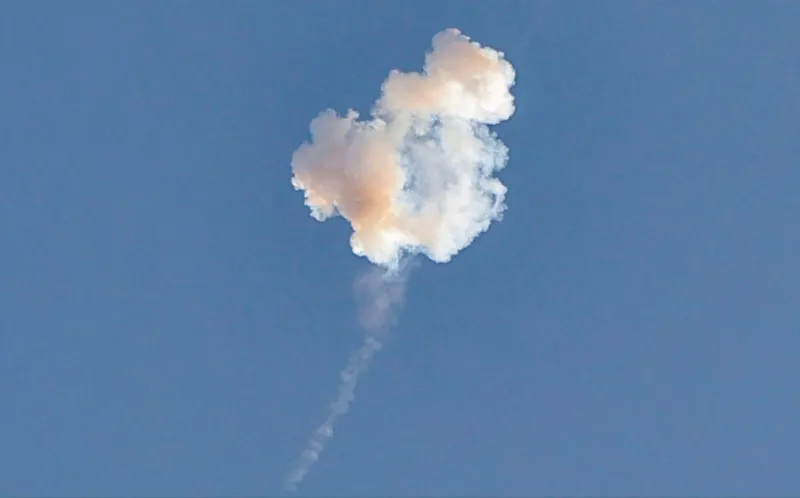




Tensions are rising across the Gulf after the United Arab Emirates confirmed its air defence systems intercepted missiles and drones amid an escalating confrontation involving Iran, the United States and Israel, prompting several governments to issue urgent travel advisories to their citizens in the region.
UAE authorities said defence systems were activated following what officials described as incoming aerial threats. State media reported that a number of projectiles were intercepted before reaching intended targets. While some international outlets have cited debris falling in parts of the country, the full extent of any damage or casualties has not been independently verified across all reports, and officials have urged the public to rely only on confirmed government updates.
The developments follow reported military strikes linked to wider regional hostilities between Iran and its adversaries. Iranian officials have publicly framed their actions as retaliatory, while Western and Israeli officials have accused Tehran of escalating instability in the Gulf. The exact sequence of events leading to the latest interceptions continues to evolve, and some battlefield claims from all sides remain difficult to independently confirm.
Air travel across the region has experienced disruption, with temporary delays and precautionary measures reported at major airports in the UAE. Several airlines advised passengers to check flight statuses before travelling to airports. Aviation authorities have not announced a prolonged nationwide airspace closure, but heightened security protocols remain in place.
Multiple foreign missions, including embassies representing African and Asian countries with large expatriate communities in the Gulf, have urged their nationals to exercise caution, avoid unnecessary travel and monitor official guidance. Uganda’s diplomatic mission in Abu Dhabi has advised Ugandans living and working in the UAE to remain vigilant amid the heightened tensions. India, Pakistan and the United Kingdom have also issued public advisories encouraging citizens to follow local safety instructions. These advisories are precautionary and do not necessarily indicate imminent danger, but reflect growing concern about regional volatility.
Security analysts say the situation underscores the strategic importance of the Gulf, where key energy infrastructure, international shipping routes and major global airlines operate. Any sustained escalation between Iran and its rivals could have broader implications for oil markets, regional security and international travel. However, experts also caution that periods of intense rhetoric and limited exchanges have occurred before without developing into full-scale conflict.
UAE Authorities have emphasized that defence systems are operational and that residents should remain calm while following verified government communication channels. Claims circulating on social media about large-scale destruction or mass casualties have not been confirmed by official sources at this time.
“We have one of the best defence systems in the world,” UAE’s Minister of State for International Cooperation Reem Al Hashimy told reporters.
The situation remains fluid, with diplomatic efforts and international calls for restraint ongoing. Governments across the region are closely monitoring developments, and further updates are expected as more verified information becomes available. For residents, expatriate workers and travellers in the UAE, officials continue to stress vigilance, reliance on official advisories and avoidance of unverified online reports as tensions between Iran and its adversaries unfold.





Aldrige Kennedy
Leave a Comment
Your email address will not be published.