
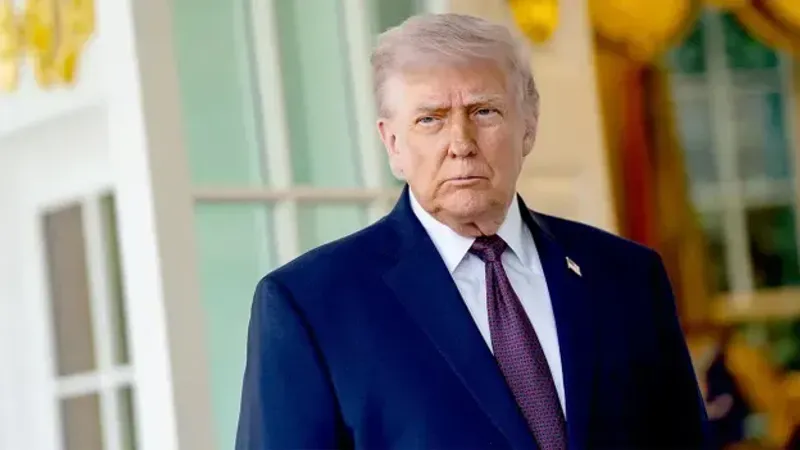




United States President Donald Trump has abruptly cancelled planned military strikes on Iran, hours after warning of imminent attacks on Iranian oil infrastructure, including Kharg Island.
The sudden reversal comes amid what Trump described as high-level diplomatic progress involving Iran and multiple regional powers, although no independent confirmation of a finalized agreement has been provided.
Cancelled the scheduled strikes and bombings
In a post on Truth Social, Trump said: “Based on the fact that discussions with the Islamic Republic of Iran have been brought to the highest level of Iranian leadership and approved, I have, as President of the United States of America, cancelled the scheduled strikes and bombings against Iran this evening,”
He further claimed that discussions had been approved “in both concept and great detail” by a wide group of countries, including Israel, Saudi Arabia, UAE, Qatar, Turkey, Pakistan, Bahrain, Kuwait, Jordan, and Egypt.
Escalation Followed by Sudden De-escalation
Earlier on the same day, Trump had warned that the United States would intensify military action against Iran and target key energy infrastructure.
He specifically referenced Kharg Island, a critical export hub handling most of Iran’s crude oil shipments.
At one point, he stated: “At some point in the not too distant future, we will be taking Kharg Island, and other oil infrastructure points, and assume total control of their Oil and Gas Markets,”
However, hours later, he reversed course and announced the cancellation of planned strikes.
Ongoing Military and Diplomatic Tensions
The developments come after days of escalating conflict between the United States and Iran, including reported strikes on Iranian ports and islands, as well as retaliatory attacks on US-linked bases in the Gulf region.
Iranian officials have warned that continued aggression could destabilize energy markets and prolong the conflict.
Iran’s military leadership also signaled that further attacks would trigger a stronger response.
Strait of Hormuz and Energy Market Concerns
The Strait of Hormuz, one of the world’s most important oil transit routes, remains a central flashpoint in the crisis.
Iran has reportedly moved to restrict maritime access through the waterway, raising concerns over global oil supply disruptions and price volatility.
Nuclear Negotiations and Frozen Assets
Key sticking points in negotiations reportedly include: Iran’s nuclear program, control over maritime routes such as the Strait of Hormuz, and release of Iranian funds frozen under sanctions (estimated at around $100 billion globally).
U.S. Treasury officials have also warned that any escalation affecting Gulf allies could result in financial consequences drawn from Iranian assets.
Background: Fallout From the 2015 Nuclear Deal
The current crisis is partially rooted in the collapse of the 2015 nuclear agreement, known as the Joint Comprehensive Plan of Action (JCPOA), after the United States withdrew in 2018.
Since then, diplomatic efforts to restore or replace the agreement have repeatedly stalled amid rising tensions.
Fragile Ceasefire or Temporary Pause?
While Trump’s announcement signals a possible shift toward diplomacy, no formal agreement has been confirmed by Iran or international mediators.
Analysts say the situation remains highly unstable, with military escalation and negotiations continuing in parallel.



Aldrige Kennedy
Leave a Comment
Your email address will not be published.