
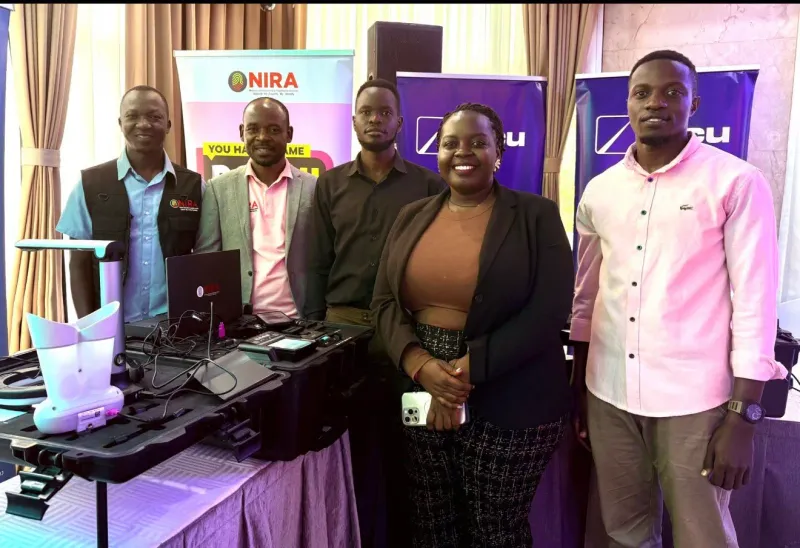




More than 13.3 million Ugandans have so far renewed their National Identity Cards following the decision by the National Identification and Registration Authority (NIRA) to extend the nationwide mass renewal and registration exercise until February 2026. The extended deadline is aimed at ensuring that every eligible citizen gets enough time to update personal details, replace expired cards and complete first-time registration.
The extension comes as part of NIRA’s broader effort to strengthen Uganda’s national identity management system. The authority launched the mass renewal drive after discovering that millions of National IDs issued between 2014 and 2015 had already expired or were nearing expiration, affecting access to essential services across the country.
NIRA says the renewed National IDs come with advanced security features to curb fraud and identity theft. The upgraded cards are also better linked to government and institutional databases, improving verification processes for public agencies, banks, telecom companies and private sector organisations.
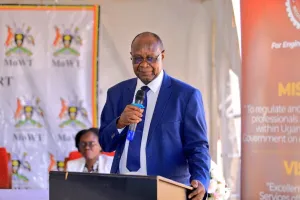
Commenting on the progress, NIRA officials said the high number of renewals reflects increased public awareness about the importance of having a valid National ID. “The numbers show that citizens appreciate the value of a National ID in daily life, from accessing government services to participating in economic activities,” a senior NIRA official said.
According to the authority, the decision to extend the exercise was largely influenced by logistical and accessibility challenges in certain areas. Communities in island districts, mountainous regions, informal urban settlements and other hard-to-reach locations experienced delays due to limited registration equipment, high population density and intermittent network connectivity.
To address these challenges under the extended timeline, NIRA plans to scale up outreach initiatives by deploying more mobile registration teams, working closely with local governments and increasing the number of registration kits in the field. Special focus will be placed on vulnerable groups, including the elderly, persons with disabilities and citizens living in remote areas.
The National ID remains one of the most important documents in Uganda, serving as official proof of citizenship and identity. It is required for numerous services such as opening bank accounts, registering SIM cards, accessing government programmes, voting in elections and completing property transactions. As Uganda continues to digitise public services, the demand for a valid National ID has become even more critical.
NIRA has urged citizens with expired or soon-to-expire IDs to take advantage of the extended period and avoid last-minute congestion. Young people who have recently turned 18 years and other first-time applicants are also encouraged to register early to ensure inclusion in the national population register.
The authority further reassured the public that National ID renewal and registration services are free of charge for standard procedures. Ugandans have been cautioned against fraudsters demanding payment and advised to report any cases of extortion or malpractice to NIRA offices or relevant law enforcement agencies.
As the February 2026 deadline draws closer, NIRA believes the extended exercise will greatly improve the accuracy and coverage of Uganda’s population register. Officials say a reliable and up-to-date identification system is crucial for effective planning, service delivery and national security.
With millions already renewed and registration efforts ongoing nationwide, the extension underscores the government’s commitment to ensuring that no Ugandan is left without a valid National ID in an increasingly identification-driven society.






The Sunrise Editor
Leave a Comment
Your email address will not be published.
1 Comment
When is our renewable ID getting done,,,we had by jaun