
Regional
Museveni Meets AU–EAC–SADC Peace Panel to Boost Efforts for Lasting Stability in Eastern DRC
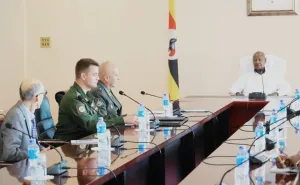
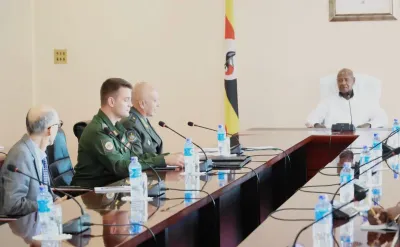
President Yoweri Museveni on Tuesday held talks with members of the African Union–East African Community–Southern African Development Community (AU–EAC–SADC) panel of facilitators assigned to support peace efforts in the Democratic Republic of Congo (DRC), as regional leaders step up diplomatic initiatives to end violence in the country’s troubled eastern region.
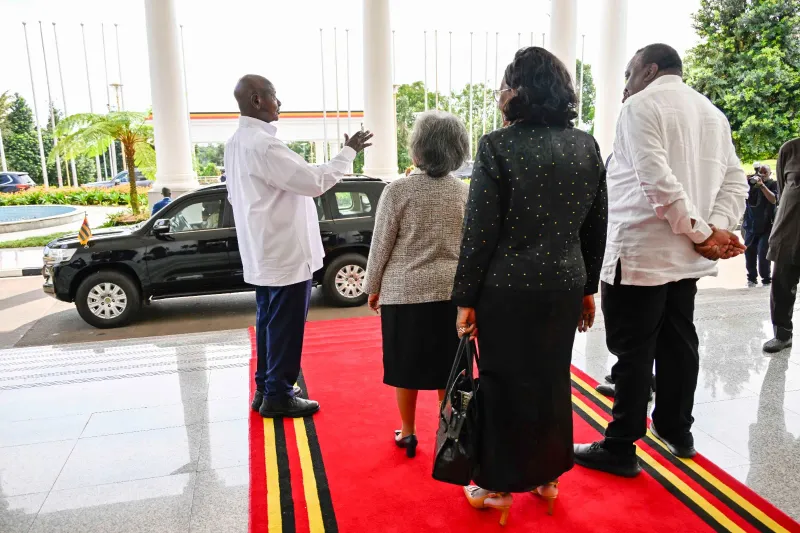
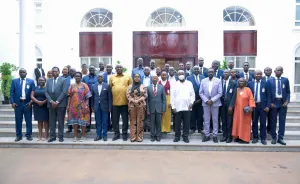
The meeting took place at State House Entebbe and brought together a senior delegation led by Togolese President Faure Essozimna Gnassingbé. The team is made up of former African heads of state mandated to encourage dialogue among parties to the conflict and improve coordination between regional and continental peace initiatives.
During the discussions, Museveni said the causes of the crisis in the DRC are already well known to neighbouring countries and warned that continued fighting is worsening humanitarian challenges across the region, especially in Uganda.
“This problem is very well known to us. We currently have more than 500,000 Congolese refugees in Uganda,” Museveni said, adding that Uganda is currently hosting close to two million refugees from different parts of the region.
The Ugandan leader noted that many Congolese refugees have cultural and ethnic links with communities in western and south-western Uganda, stressing that instability in eastern Congo has direct implications for neighbouring states.
Museveni also expressed frustration over the slow pace of achieving a lasting settlement, despite the conflict having persisted for decades.
“It is a shame that it is taking so long to solve,” he said.
Reflecting on past political debates surrounding Congo, including earlier tensions linked to the Katanga secession, Museveni said the current conflict is no longer centred on territorial disputes. Instead, he argued that unresolved grievances are now the main drivers of unrest, and these can only be addressed through sustained dialogue and a realistic understanding of the situation on the ground.
President Gnassingbé thanked Museveni for hosting the delegation and praised Uganda’s continued role in promoting peace and stability in the region. He also noted that the panel values Museveni’s experience and long involvement in regional mediation efforts.
Former Nigerian President Olusegun Obasanjo, who is also part of the facilitation team, said durable peace in eastern Congo must be led by Africans and should not depend heavily on externally designed solutions.
He cautioned that the crisis extends beyond the M23 rebellion, pointing out that deeper grievances remain unresolved.
“This crisis is not only about the M23. There are many grievances that have not been adequately addressed,” Obasanjo said.
He acknowledged that international partners can contribute support but insisted they should only complement African-led mediation.
“Solutions imported from Washington, Doha, Paris, or elsewhere may be helpful, but they cannot by themselves provide a complete or lasting solution,” he said.
Obasanjo also emphasized the need to correctly identify the root causes of the conflict, including how the DRC manages its diversity and maintains relations with neighbouring states.
“In order to solve the problem, we must diagnose it properly and administer the right medicine,” he said.
The Entebbe meeting comes as African regional blocs and the African Union continue efforts to harmonize different peace initiatives under AU leadership. This includes plans to establish a joint coordination headquarters in Addis Ababa aimed at strengthening collaboration and ensuring a unified approach to the DRC peace process.
The delegation included former Kenyan President Uhuru Kenyatta, former Ethiopian President Sahle-Work Zewde, former Botswana President Mokgweetsi Masisi, and former Central African Republic President Catherine Samba-Panza.
Ugandan officials who attended the meeting included Ambassador Adonia Ayebare, Uganda’s Permanent Representative to the United Nations, and former Prime Minister Amama Mbabazi.
The AU–EAC–SADC panel is expected to continue engagements with regional stakeholders as part of ongoing efforts to find a sustainable and long-term solution to conflict in eastern Democratic Republic of Congo.

The Sunrise Editor
Leave a Comment
Your email address will not be published.