The global garment, footwear, and textiles industry is facing a growing wave of disruption—from climate change and automation to shifting trade patterns and increasing demands for equity and transparency. As these pressures reshape the future of work, they present not only significant challenges but also an opportunity to reimagine advancement and leadership in the sector to increase business resilience.
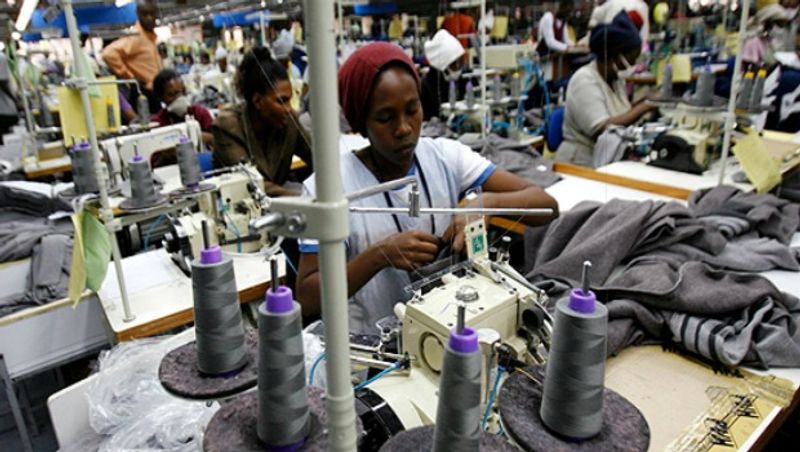
Women comprise the majority of the industry’s workforce, yet they remain underrepresented in leadership and technical roles. For example, in Bangladesh and other African countries, only 9% of supervisors and managers are women, and in North India, just 10–25% of women work on advanced machines, higher-paid roles typically dominated by men.
This leadership gap and gender occupational segregation is holding back factories from becoming more resilient, responsive, and future-ready. Lack of opportunities to advance within the factory leads to avoidable and costly staff turnover.
To find better solutions for both women and the industry, RISE first spoke with over 100 workers in Bangladesh and India about their perspective on progression within the workplace. To build on what they shared, we then brought together 80 industry stakeholders to design a multilayered approach that tackles barriers and expands what advancement can look like for women workers.
Sticky Floors Hold Back Women Workers’ Progression in the Factory
Women workers consistently highlight a key challenge: the current approach to advancement and leadership, focused only on supervisory roles, is too narrow. Women are not looking for a one-size-fits-all, vertical pathway to advancement. They are calling for diverse and flexible pathways to grow in their careers. For some, this may include supervisory positions. But stepping into supervisory roles often brings increased stress, heightened risk of harassment, and backlash from both family and community members. Instead, women workers might want to access more technical roles, to find better-paid opportunities, or to get jobs with greater flexibility to balance work and care responsibilities.
Many women workers remain effectively “stuck” on the production floor due to perceptions and expectations of the types of roles and functions women can and should hold in the workplace, as well as their self-doubt. For instance, we heard from managers who expressed doubts about women’s abilities to operate advanced machinery or questioned their leadership potential, revealing the bias that continues to shape workplace dynamics.
Unstructured employment systems, where performance criteria are unclear and promotion processes lack transparency, are another type of barrier that women workers often mention. Without clear pathways for progression, both vertical into supervisory roles and horizontal into technical, better-paid roles, women face significant roadblocks. Add to this the unequal distribution of unpaid care and domestic responsibilities—a factor rarely acknowledged in the industry—and it becomes clear why progress for women is so limited.
The Way Forward: A New Approach Designed with Women Workers
Our new report, Shifting Perspectives to Accelerate Women’s Advancement and Leadership in the Garment, Footwear, and Textile Industry, outlines three priority areas for action:
1. Complement vertical career advancement opportunities with horizontal ones
The first step is to map not only existing roles but also new ones that could support women’s growth. In conversation, women workers identified diverse aspirations in quality control, production management, cutting, sampling, pattern making, and in emerging green and circular jobs. Many also pointed to flexible floating roles where they support different operations across the factory as needed, developing new skills in the process. The common thread: these jobs offer better income and improved job satisfaction.
For women to unlock these opportunities, factories need to standardise the skill sets required for these roles and then design targeted training programs that give all workers an equal chance to access them. Existing unclear promotion processes are prone to bias, an issue that can be addressed through transparent, accountable and fair systems for talent development and performance assessment.
2. Design business practices that support equal opportunities for advancement
Through engagement with women workers and their representatives, one practical step that international buyers can take is to incorporate gender equity into supplier scorecards, specifically assessing whether suppliers are creating the conditions necessary for women’s advancement. This includes factories offering parental leave, providing childcare support, and investing in relevant skilling and upskilling opportunities. Our report outlines a set of indicators that can guide this process and ensure accountability, but these need to be tailored to each context in collaboration with women workers.
When buyers strengthen their forecasting systems, they drive significant improvements. When production targets are realistic and clearly communicated, women are more likely to step into leadership or more technically demanding roles. Reducing the unpredictability and pressure associated with these positions makes them more accessible and appealing. In short, better forecasting doesn’t just improve operational efficiency—it also helps shape jobs that align with women’s needs, aspirations, and motivate them.
3. Recognise the economic and business value of unpaid care and domestic work
Supporting women’s equal ability to advance at work means tackling structural barriers, including unpaid care and domestic work. This starts with closing the childcare gap through partnerships with public and private providers that meet workers’ real needs. Just as critical is engaging men in caregiving responsibilities, through workplace training or community partnerships. Together, these steps can shift social norms, rebalance care work, and create the conditions for women to advance at work.
RISE is ready to test these scalable pathways to women’s advancement and leadership. We are looking to partner with buyers, suppliers and funders focused on women’s leadership and economic progression.
Read the full report





Discussion (0)
Your email address will not be published.