


Finance
Uganda Calls for Decentralised Climate Finance to Boost Local Adaptation and Green Investments
Members of Parliament, local government officials, and climate finance experts are calling for greater decentralisation of climate finance in Uganda to improve access to funds at the district level, accelerate interventions, and strengthen climate resilience in vulnerable communities.
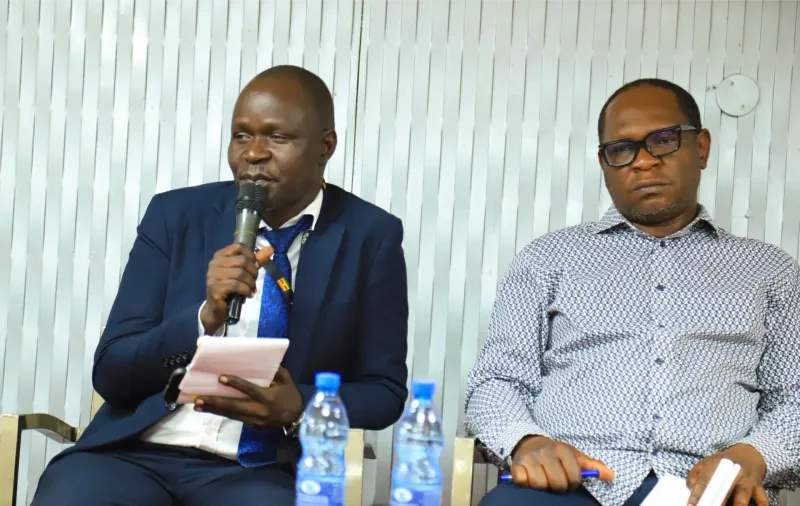
During a high‑level dialogue on domestic resource mobilisation organised by civil society groups led by SEATINI Uganda, stakeholders highlighted the need to shift climate financing mechanisms so that districts and local actors can access resources faster and more transparently.
Calls to Decentralise Climate Financing
Lawmakers and local government leaders argued that the current centralised climate finance system has hindered implementation of critical adaptation and mitigation projects at the grassroots. According to MPs, most climate funds often remain within national ministries rather than reaching frontline implementers.
“Decentralising climate finance will improve efficiency and help programmes achieve their intended goals at the grassroots,” said one participant during the dialogue, emphasising the importance of funding that matches local priorities.
Isingiro South MP Alex Byarugaba noted that while substantial climate resources are mobilised at the national level, district offices remain under‑facilitated, slowing progress on priority interventions such as tree planting, early warning systems, and climate‑smart agriculture.
Climate Finance Unit’s Mandate and National Strategy
The Climate Finance Unit (CFU) under the Ministry of Finance, Planning and Economic Development plays a pivotal role in mobilising and coordinating climate resources from national and international sources. According to the Ministry, the unit ensures that funds are channelled effectively for both mitigation and adaptation action, while supporting green investment priorities.
Senior Climate Finance Officer Festo Friday explained the CFU’s mandate, saying the unit is responsible for attracting financing that supports national climate and green development priorities. He highlighted that climate finance goes beyond funding; it also enables implementation of resilience‑building and emissions‑reducing projects throughout the country.
Uganda’s National Climate Financing Strategy 2025–2030 underlines the government’s ambition to mobilise approximately USD 28.1 billion in climate investment by 2030, with a significant portion focused on adaptation measures. On average, just 15 per cent of these finances are expected to be mobilised domestically each year, underlining the need for stronger local revenue systems.
Challenges in Local Government Implementation
Local government officials stressed that limited financial and technical capacity continues to constrain climate action at the district level. Nebbi District’s Deputy Chief Administrative Officer, Mugagga Muluuta, pointed to declining local revenues, abolished levies, and weak collection systems as major barriers to climate financing at the grassroots.
He called for enhanced community sensitisation, improved messaging, and alternative energy solutions, while urging stronger enforcement of environmental policies to protect ecosystems.
“The fight against climate change must be addressed at the district level, and local revenue is the starting point,” Muluuta said. “Without strengthening locally raised revenue, districts cannot effectively finance climate interventions where impacts are most felt.”
Gender, Displacement, and Climate Impacts
A key theme at the dialogue was how climate change disproportionately affects women and girls, particularly in rural areas. Joel Achana, Programme Officer at the Ministry of Gender, Labour and Social Development, pointed out that women bear a heavy burden during climate disasters.
“Women bear the heaviest burden in food and water management during climate crises. Floods or droughts increase their workload by up to nine hours daily as they collect water, produce food, and manage household needs.”
Achana further noted that women and girls account for 80 per cent of those displaced by climate‑related events, heightening their vulnerability to poverty, violence, and gender‑based abuse. His ministry is working to strengthen technical skills and ensure climate finance addresses these gendered impacts.
Tax Incentives and Environmental Protection
The government’s approach to tax incentives for clean energy projects also drew attention. Paul Lakuma, a tax strategy specialist from the Ministry of Finance, defended incentives for renewable energy and green investments, saying they help attract capital and support sustainable development.
“Tax exemptions for renewable energy projects, including Bujagali and planned waste‑to‑energy plants in Namave, promote electricity generation from sustainable sources,” Lakuma said.
However, some MPs, including Henry Maurice Kibalya of Bugabula County South, criticised tax breaks for polluting industries. Kibalya argued that long tax holidays for large factories and mining operations undermine environmental protection goals.
Reducing Reliance on External Financing
Speakers warned that Uganda’s heavy dependence on external climate financing exposes the country to uncertainty, as donor priorities can shift or stop abruptly. They called for expanded private sector involvement and the development of incentives to encourage domestic investment in climate action.
Herbert Kafeero, Communications and Programmes Manager at SEATINI Uganda, stressed that without stronger domestic financing mechanisms, Uganda will struggle to meet its climate targets.
The dialogue concluded with a consensus on the need to build a transparent, accountable, and predictable climate finance architecture that delivers real benefits to communities most affected by climate change.



Sunrise reporter
Leave a Comment
Your email address will not be published.