




The Uganda Revenue Authority (URA) is intensifying efforts to increase domestic revenue collection as the government seeks to strengthen tax compliance, close revenue leakages and reduce reliance on external financing.
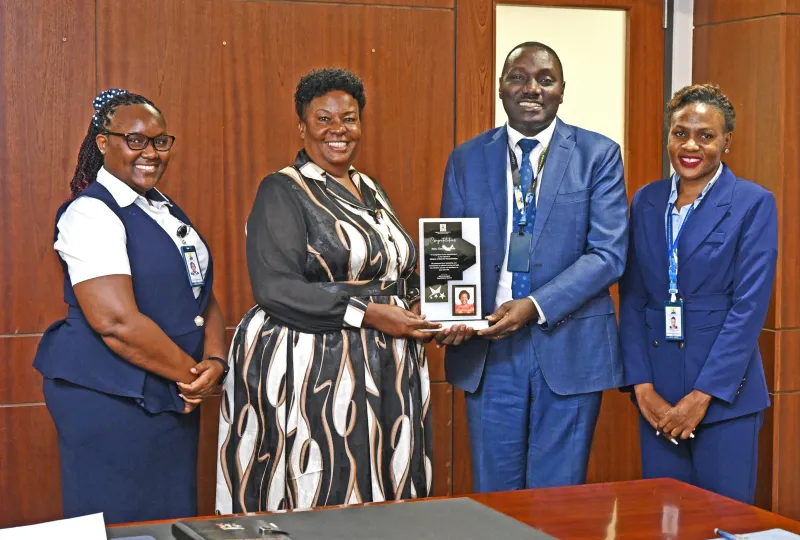
A URA team led by Commissioner Executive Office Operations Abel Kagumire recently briefed the State Minister for General Duties, Hon. Cissy Mulondo, on measures being implemented to improve domestic revenue mobilisation.
The discussions focused on strengthening tax administration, widening the tax base and improving compliance through digital transformation, enhanced enforcement, data-driven monitoring and closer engagement with taxpayers.
Kagumire emphasised the importance of increasing domestic revenue to help finance Uganda’s national development priorities while reducing dependence on external sources of financing.
According to the Ministry of Finance, URA collected Shs31.63 trillion in the 2024/25 financial year, marking a 15.86% increase and exceeding the revenue target for the period.
The latest discussions indicate that the government is continuing to focus on strengthening revenue collection by improving how taxpayers are registered, monitored and supported to meet their obligations.
A major part of the strategy is the continued digitalisation of tax administration.
During the meeting, the URA team highlighted the role of digital systems in making it easier for taxpayers to register, file returns, make payments and comply with their tax obligations.
Among the systems being used is the Electronic Fiscal Receipting and Invoicing Solution (EFRIS), which is designed to capture transaction information electronically and improve transparency in business transactions.
EFRIS also gives URA access to transaction data that can support compliance monitoring and tax administration. PwC Uganda has similarly noted that the system can provide URA with information useful for analysing several domestic taxes and improving the administration of tax returns.
The meeting also highlighted the importance of using data analytics and information sharing between government institutions.
URA plans to work with institutions such as the Uganda Registration Services Bureau (URSB) and local governments to identify businesses and individuals who may not be meeting their tax obligations.
The approach is intended to bring more taxpayers into the formal tax system and broaden the revenue base.
By increasing the number of compliant taxpayers, the government hopes to reduce the pressure on businesses and individuals who already meet their tax obligations.
The revenue authority is also seeking to strengthen enforcement and tackle gaps that may result in lost government revenue.
Improved access to information, digital systems and data analytics can help tax administrators identify inconsistencies and areas where compliance needs to be improved.
The broader objective is to create a tax administration system that is more efficient, transparent and capable of capturing economic activity across a wider section of the economy.
Uganda's continued focus on domestic revenue mobilisation comes as the government seeks to finance development priorities with greater reliance on resources generated within the country.
The Ministry of Finance has identified revenue mobilisation as an important part of strengthening the country's fiscal position. Current policy discussions also continue to place emphasis on expanding the tax base and improving tax administration.
For URA, the challenge is to increase compliance and collection while making it easier for taxpayers to understand and meet their obligations.
The discussions between the URA team and Minister Mulondo therefore underline the government's continued push for a broader, more efficient and technology-driven domestic revenue system.





Sunrise reporter
Leave a Comment
Your email address will not be published.