
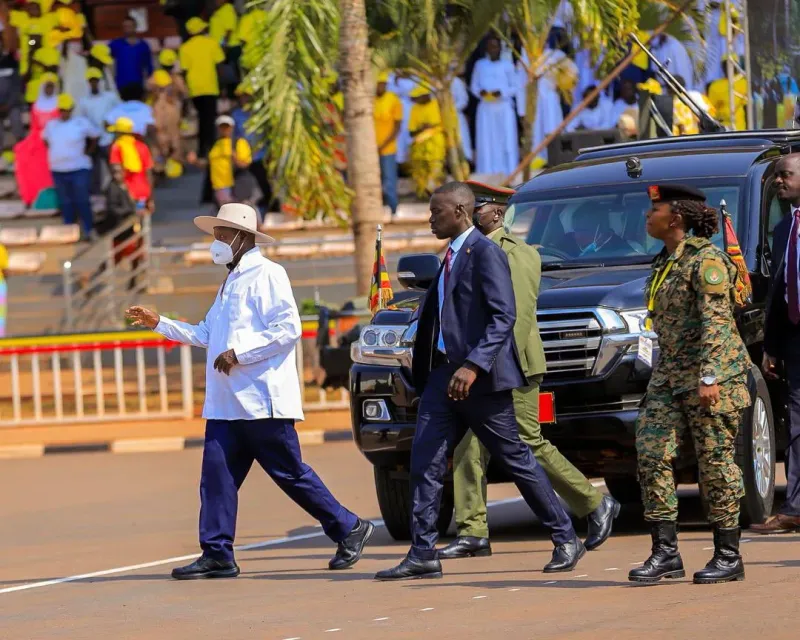

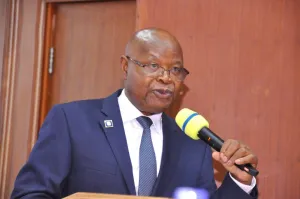
Uganda on Sunday marked 40 years of National Liberation, commemorating the end of the 1981–1986 liberation struggle that brought the National Resistance Movement (NRM) to power. The celebrations at Kololo Independence Grounds were held under the theme “A Tribute to the Patriots Who Ushered in the Fundamental Change.”
During the event, President Yoweri Kaguta Museveni highlighted the country’s economic milestones and outlined ongoing and future initiatives aimed at social and economic development.
“This is a day to recognize the contributions of those who fought for our freedom and laid the foundation for the nation we have today,” Museveni said, addressing the audience of government officials, party leaders, and citizens.
Economic Phases and Growth
President Museveni outlined five economic phases that have shaped Uganda’s development over the past 40 years. These include:
- Initial Recovery: Stabilizing the economy after years of conflict.
- Expansion: Building infrastructure, improving public services, and stimulating local industries.
- Diversification: Reducing reliance on a few export sectors and promoting agriculture, manufacturing, and services.
- Value Addition: Encouraging domestic processing of raw materials to increase local consumption and exports.
- Knowledge Economy: Emphasizing technology, ICT, and innovation as drivers of future growth.
Museveni noted that these efforts have resulted in a $60 billion economy with an annual growth rate of 7%, and that 65% of domestic demand for goods is now met locally, reflecting significant investment in agriculture, manufacturing, services, and ICT.
“With Uganda’s first oil programs now underway, we expect double-digit economic growth this year,” Museveni said. He further emphasized the need to integrate the remaining 30% of the population into the formal money economy to ensure inclusive growth.
Government Programs and Initiatives
The President reaffirmed ongoing government initiatives, including free universal education, free healthcare, a national road maintenance program, and expanded wealth and job creation initiatives. He also warned against corruption, particularly in the Parish Development Model (PDM), and instructed reforms to ensure public funds reach intended beneficiaries.
“These programs are designed to improve the quality of life for all Ugandans, and it is critical that they are implemented transparently,” Museveni said.
Honoring National Contributors
As part of the celebrations, 33 individuals were recognized for their contributions to national development. Recipients included Justice Emeritus Ralph Ochan, Mr. Barot Harshad Maganbai, Ms. Teddy Naluwu, Dr. Steven Watiti, Ms. Violet Kekitanda, Lt. Gen. Rt. Francis Okello, Brig. Gen. Kefa Nangeso, Col. Moses Ikuret, Hajji Bogere Abdu, and ASP Masaba Moses.
Awards presented included the Crested Crane–Grand Commander, National Independence Diamond Jubilee Medal, Nalubale Medal, Masaba Star, and the Meritorious Service Award. The ceremony celebrated their achievements and contributions to Uganda’s development, highlighting the government’s recognition of public service and national dedication.
Security and National Unity
President Museveni also addressed concerns about discipline and political stability, cautioning members of his party and opposition leaders against indiscipline and “terroristic tendencies.” He emphasized that unity, lawfulness, and vigilance are essential to sustaining Uganda’s achievements and ensuring continued national progress.
“National stability is a shared responsibility. Every Ugandan must contribute to peace, lawfulness, and development,” Museveni said.
Anticipated developments
The celebrations concluded with a call for continued investment in infrastructure, education, healthcare, and social programs to strengthen the country’s economy and improve livelihoods. Museveni highlighted that ongoing oil production, technological innovation, and local industrial growth will remain central to Uganda’s future economic plans.


Sunrise reporter
Leave a Comment
Your email address will not be published.