
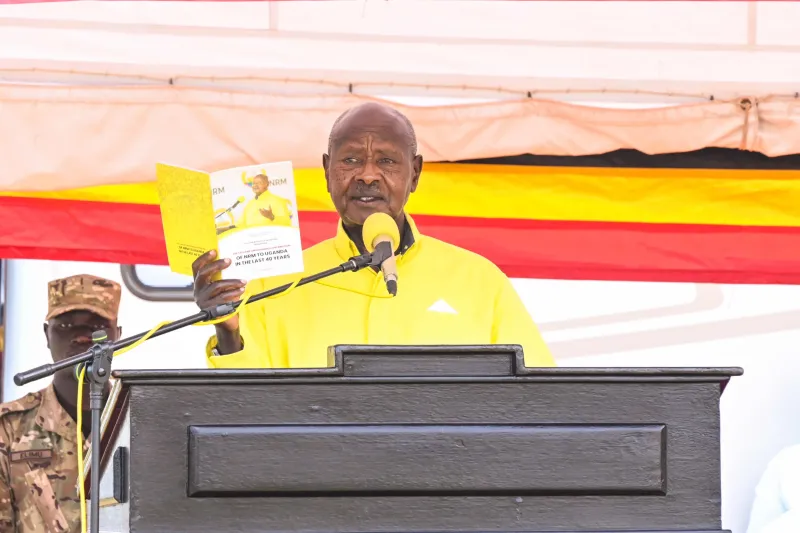
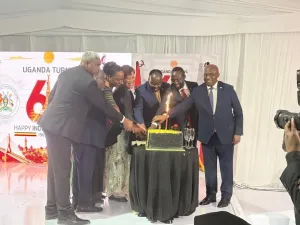
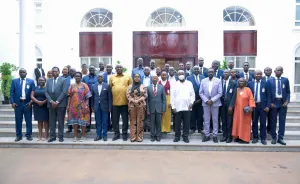
Regional leaders across Africa have begun issuing official responses following the declaration of President Yoweri Museveni as the winner of Uganda’s 2026 presidential election, underscoring the country’s strategic importance in East and Central Africa.
The Electoral Commission announced that President Museveni secured a majority of the votes cast, granting him a seventh term in office. The declaration has prompted reactions from neighbouring countries and regional partners, many of whom highlighted the importance of stability, continuity, and cooperation with Uganda.
Regional Messages of Congratulation
Several African heads of state released statements congratulating President Museveni on his re-election. In their messages, leaders emphasized long-standing diplomatic relations, shared security interests, and economic partnerships. Uganda plays a key role in regional peacekeeping missions and cross-border trade, making political developments in the country closely followed by its neighbours.
Sudan’s Sovereignty Council chairman, Abdel Fattah al-Burhan, congratulated Museveni on his re-election, expressing optimism about bilateral relations.
Egypt’s President Abdel Fattah el-Sisi extended congratulations to Museveni and reaffirmed Egypt’s commitment to strengthening Egypt–Uganda ties and cooperation in areas of mutual interest.
Burundi’s President Évariste Ndayishimiye congratulated Museveni and highlighted plans to strengthen longstanding ties between the two neighbouring states.
Analysts note that such congratulatory messages are common diplomatic practice and often reflect a desire to maintain stable bilateral relations, regardless of domestic political debates within a country.
Focus on Stability and Regional Security
Uganda remains a significant security partner in the region, particularly through its involvement in peacekeeping efforts and counter-terrorism operations. Regional governments have frequently described Uganda as a pillar of stability, especially in areas affected by conflict.
Political observers say this security role is a major factor influencing regional leaders’ responses to the election outcome. Continued cooperation is seen as essential for managing shared challenges, including border security, refugee movements, and regional trade corridors.
Mixed International Reactions
While regional leaders have largely emphasized continuity, reactions from international observers and civil society groups have been more cautious. Some organizations have raised concerns about the electoral environment, pointing to issues such as restricted political space and limitations on communication platforms during the election period.
The Ugandan government has defended the electoral process, stating that the vote was conducted in accordance with national laws and that security measures were necessary to maintain public order.
Implications for Uganda’s Next Term
As President Museveni prepares to begin another term, attention is shifting to governance priorities and regional engagement. Key areas of focus are expected to include economic development, infrastructure expansion, security cooperation, and Uganda’s role within regional blocs.
Experts say Uganda’s diplomatic relationships will remain crucial as the country navigates both domestic expectations and international scrutiny. The coming months are likely to shape how Uganda balances internal political debates with its commitments to regional and global partners.
Looking ahead
With post-election processes ongoing, political analysts expect continued dialogue between Uganda and its partners. Regional cooperation, trade, and security remain central to these relationships, regardless of differing perspectives on the election.
As Uganda enters a new political chapter, the country’s leadership and its regional allies face the task of sustaining stability while addressing the evolving expectations of citizens and the international community.


Sunrise reporter
Leave a Comment
Your email address will not be published.