



The Uganda Communications Commission (UCC) has issued a stern warning to broadcasters and the public against misusing radio and television platforms to dispute officially declared election results. The commission highlighted a growing trend of unsuccessful parliamentary and local government candidates airing sensational or unverified claims regarding election outcomes.
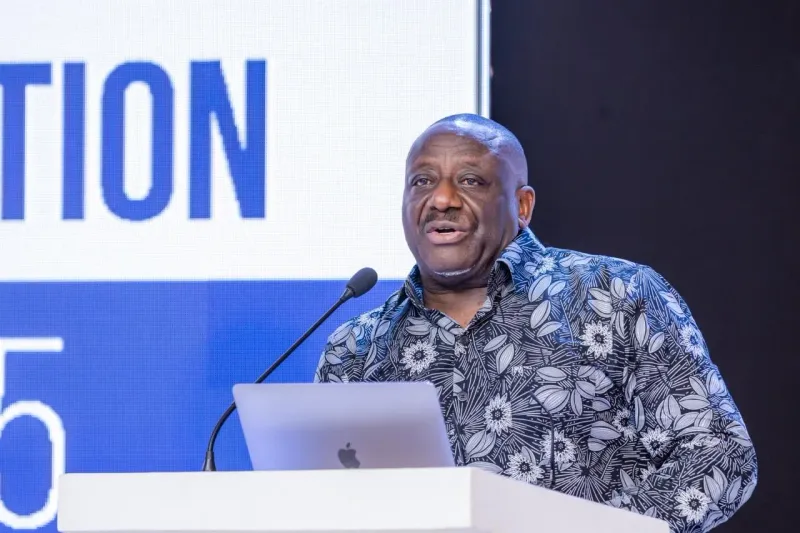
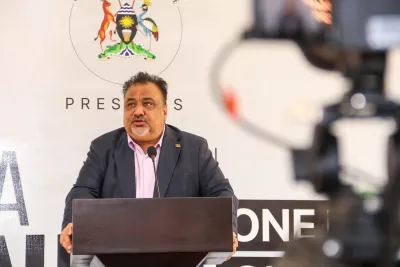
In a notice signed by Hon. Nyombi Thembo, Executive Director of UCC, the commission stated that the Electoral Commission is the sole constitutional authority responsible for declaring election results in Uganda. "Those dissatisfied with election outcomes must seek redress through the courts by filing petitions within the legally set timelines," the notice emphasized.
The UCC stressed that broadcast media should not serve as alternative venues for litigating election disputes. According to the commission, "Broadcasting unverified results, parallel tallies, or speculative allegations is unlawful and can lead to public panic, confusion, and a loss of trust in democratic institutions." The notice further warns that such practices could incite unrest and damage Uganda's democratic reputation.
All broadcasters are directed to ensure that content disputing declared election results is thoroughly verified against official Electoral Commission sources. This includes avoiding programs that promote unofficial results or unsubstantiated claims. The UCC emphasized that strict editorial oversight is required to maintain the integrity of election reporting.
The commission reiterated its commitment to enforcement, noting that violations of these guidelines will attract decisive action. "Media owners, editors, and the general public are urged to use broadcast media responsibly and in a manner that promotes national unity and democratic integrity," the statement concluded.
In a related tweet, UCC reinforced its message: "The Uganda Communications Commission reminds broadcasters and the public that only the Uganda Electoral Commission is mandated to declare election results. Broadcast platforms must not be used to dispute officially declared results or air unverified claims. Election disputes should be addressed through the courts, in line with the law."
The commission further added: "Responsible broadcasting safeguards public trust, national unity and democratic integrity."
This directive comes at a time when the role of media in maintaining credible and transparent elections is more critical than ever. Broadcasters are now reminded to prioritize accuracy and verification to support Uganda’s democratic processes.


Sunrise reporter
Leave a Comment
Your email address will not be published.