




The Financial Intelligence Authority (FIA) has urged local government leaders, public officials and members of the public to strengthen vigilance and reporting of suspected financial crimes, including money laundering and terrorism financing.
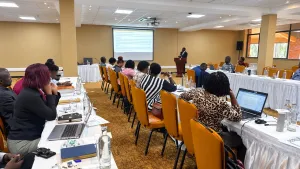
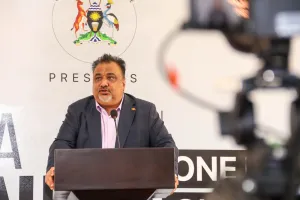
The call was made during the Local Government Budget Consultations for the Financial Year 2027/28 held at Brovad Hotel in Masaka, where an FIA official highlighted the need for stronger safeguards against the misuse of public funds and the financial system.
The official explained that money laundering involves concealing or disguising the origins of proceeds of crime and introducing them into the legitimate financial system in a way that makes them appear lawful.
According to the FIA, money laundering commonly involves three stages: placement, layering and integration. Placement is the introduction of illicit funds into the financial system, while layering involves moving the money through a series of transactions to make its origin difficult to trace. Integration occurs when the funds are eventually brought back into the economy in a form that appears legitimate.
The FIA official called on local government leaders to strengthen controls over public resources and closely monitor government projects. Leaders were also encouraged to conduct proper due diligence when dealing with companies and contractors, including establishing the individuals who ultimately own or control businesses.
The emphasis on identifying beneficial owners is part of wider anti-money laundering measures designed to improve transparency around business relationships and reduce opportunities for financial crime. The FIA's customer due diligence guidance also calls for identifying and verifying customers and beneficial owners and applying additional scrutiny where risks are higher.
Members of the public were meanwhile cautioned against allowing other people to use their bank accounts or mobile money accounts to receive or transfer funds when they do not understand the source or purpose of the money.
The FIA encouraged people to report suspicious financial activities through the appropriate reporting channels. The Authority is Uganda's national centre for receiving financial data, analysing it and disseminating financial intelligence to competent authorities.
The Authority says suspicious transactions include transactions that are inconsistent with a customer's known legitimate activities, as well as complex or unusual transactions or patterns that raise concerns. Under Uganda's anti-money laundering framework, suspicious transaction reporting is a statutory obligation in circumstances covered by the law.
The FIA also receives reports on suspicious transactions and certain large cash and monetary transactions as part of its role in detecting and preventing financial crime.
The latest call comes as Uganda continues to strengthen measures aimed at protecting the financial system from money laundering and terrorism financing. The FIA has also been working with other institutions to improve the investigation, prosecution and adjudication of financial crimes and strengthen the country's anti-money laundering and counter-terrorism financing framework.
The Authority's message to local leaders and communities is that preventing financial crime requires vigilance, proper controls, transparency and timely reporting of suspicious activity.






Roswell Mbabazi
Leave a Comment
Your email address will not be published.